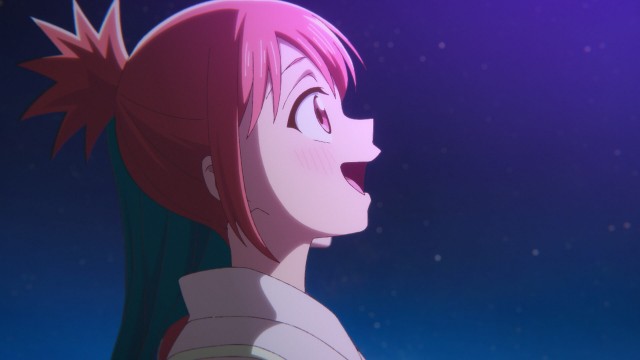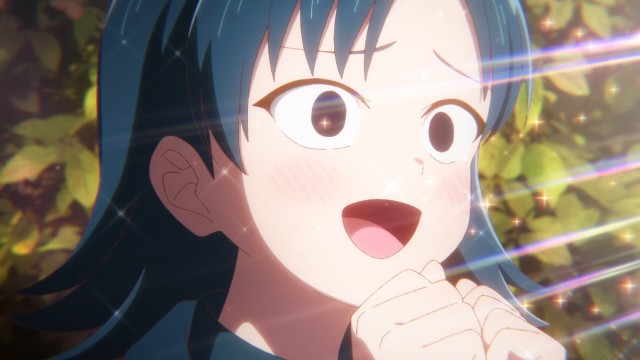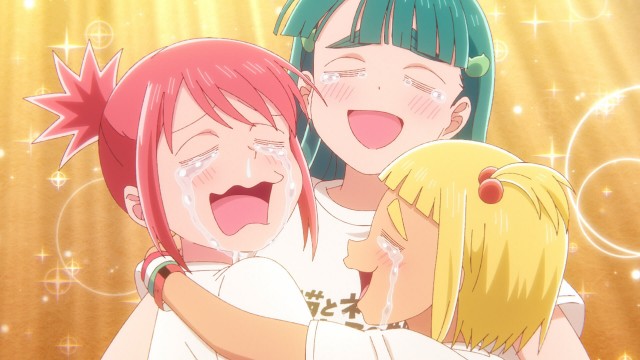
DRAW THIS, THEN DIE!
STATUS
COMPLETE
EPISODES
12
RELEASE
September 25, 2026
LENGTH
23 min
DESCRIPTION
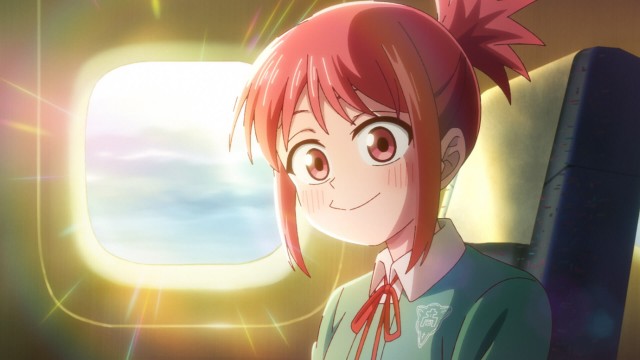
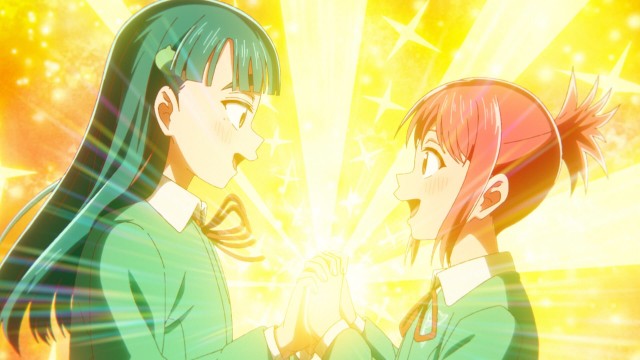
First-year high school student Ai Yasumi lives on the island of Izu Oshima and loves reading manga. But after a certain turning point, she sets her sights on creating stories of her own! As she dives into the world of manga-making, Ai faces challenges, growth, and the excitement of chasing her creative dreams. Where will her creative journey take her?
(Source: Crunchyroll)
CAST

Rei Teshima

Saori Hayami

Ai Yasumi

Akira Sekine

Hikaru Sekiryuu

Inori Minase

Sachi Akafuku

Kanon Fujimura

Kokoro Fujimori

Saya Hitomi

Nana Teramura

Atsumi Tanezaki

Loup Garou

Anna Nagase

Pokota
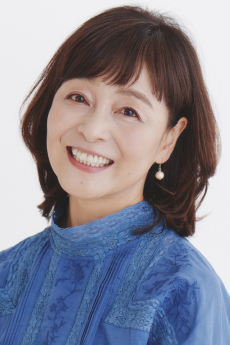
Noriko Hidaka

Hebichika-sensei

Kikuko Inoue

Hana Kongouji

Yukana
Episodes are being prepared. Check back soon.
RELATED TO DRAW THIS, THEN DIE!


REVIEWS

PookyFan
This might be one of the most important anime in my lifeContinue on AniListThere are various reasons why people find particular anime good. Most of the time it’s because it is, broadly speaking, interesting – premise of the story, character development, and progression of action are most important aspects of an intriguing plot. It helps if anime is well animated, of course, as every story can sell better when visuals are pretty. And if, on top on that, it has remarkable soundtrack, then it’s a guaranteed hit. But sometimes it’s just the fact how relatable a show is, and how it touches topics important to us, that makes great anime. And I think Kore Kaite Shine is one of these titles that, under the pretense of slice of life comedy, conveys many important life lessons which are very true for anyone who is, aspires to, or used to be, even so briefly, a creator.
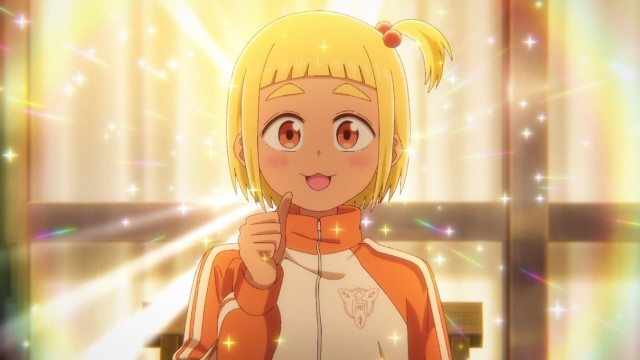
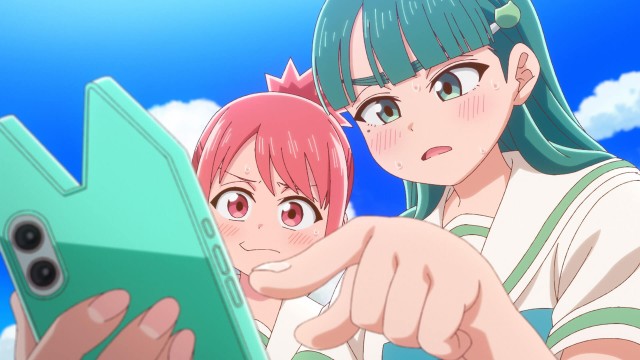
The story follows Ai Yasumi – a high school girl who loves to read manga, a regular visitor of manga rental shop where, as a little girl, she found her favorite comic book of all times. The story about Robota and Pokota turned out, in fact, to be so important to her that it actually changed her personality and her entire life, all for the better. Due to events that I will not be speaking of, as they were pretty funny to unfold and better seen for yourself, she decides to start creating her own manga as a hobby. With the help of her friends – ever so laid-back Sachi Akafuku; quiet, but very talented Kokoro Fujimori; and eccentric, but even more talented Hikaru Sekiryuu – she establishes manga drawing club in her school, with Rei Teshima – very strict and excessively proper teacher – as its advisor.
As light-hearted comedy, Kore Kaite Shine expresses the joy of juvenile creation very well. The passion Ai puts in her works is sometimes astonishing, but most of the time just plain hilarious – both for her readers and for the anime audience. Since most of her sketches are, well... not of the top quality, but still created with visible effort to make them interesting, they come out as funny but authentic at the same time. This authenticity is, in my opinion, extremely important – every one who starts creating as a hobby must get through this phase of making absolute crap that they still give their all to get done. Even if it ends as something for their future selves to look at and say “man, this sucks!”, often with a nostalgic feel and smile on the face.
It soon becomes clear, however, that Ai is not the only main protagonist of the story. As it progresses, we get to know more about Rei and her past, and understand that she is just as important of a character as her student. While initially very reluctant to her role as club advisor, she gets more and more engaged with its activities, seemingly finding her old self in Ai. And even though making manga is not, of course, all sunshine and roses for high school girls, it quickly turns out to be even more difficult, yet very important aspect of their teacher’s life. And the more we learn about Rei’s life before she became a teacher, the better we understand her initial reluctance for becoming manga club advisor – but also the more clear it becomes why she actually accepted that role.
And it may come out as surprise, but Kore Kaite Shine is, in fact, pretty depressing anime – for a slice of life comedy, that is. It comes from how realistically and relatably the concept of being and becoming a creator is presented, with all its joys and sorrows. Every aspect of creation – the passion that pushes us forward, the hardship of coming up with something good, the sudden spark of creativity that burns us up, the happiness of our work being noticed, the jealousy of more gifted people, and even the despair of not being able to achieve our goals – each of them is presented with all its authenticity and with so much impact that sometimes it hurts. But at the same time it’s greatly refreshing, as it shows that not only the pain of being a creator, but also the happiness it brings is something universal, and so we are not alone on that road. This may appear as trivial, especially for someone who doesn’t draw, write, compose music, or otherwise create, but it hits really close to home for someone who struggles with making their dreams of creating wonderful things come true. In that aspect Kore Kaite Shine is an anime that conveys one very important message, that is - “Being a creator is hard and often painful, and all the more if you want to be a professional one. But at the end of the day, creating things you love makes it really, really worth it”.
For all this time I didn’t focus on the audiovisual aspects of the show, which are impressing on their own – especially animation style that matches concept of the story perfectly. It’s worth a praise how greatly it captures both character’s daily lives and their wild imagination, and how perfectly they blend with each other in some scenes. But it only helps presenting the essence of anime even better, and the story would stand on its own even with less sophisticated and more bland visuals.
I don’t think it’s an exaggeration that Kore Kaite Shine is one of the most important anime I ever watched. Being a great slice of life comedy on its own (albeit sometimes a little bit cringe), it delivers a message to every creator who lost a spark in their eyes. And while it’s not exactly about not abandoning hope, it still shows how important is to treasure the love of creation in our hearts. Even if it’s not the way we may have intended, we should still try to express our creativity – for other people, but, mostly, for our own sake.

Juliko25
Creation isn't all fun and rainbows, but it's still worth pursuing. A delightful gem that deserves more eyes on it.Continue on AniList(According to both MAL and AniList, this is my 660th completed anime!)
I don't know how exactly I learned about manga, but I know I was fairly young when I did, probably around 2004-2005. I would have been around 11-12 years old. I do remember the very first manga I ever bought: This version of Pokemon Adventures volume 6, where all the artwork was flipped in the American left-to-right format instead of the Japanese right-to-left format. My first unflipped, authentic, right-to-left manga was volume 3 of Tokyo Mew Mew. This was before I learned the concept of Japanese reading right-to-left and that manga followed a continuous story that you had to keep up with across multiple volumes. I was already diving deeper into anime back then, but learning about manga on top of that was a total game changer. From elementary school to college, I had big dreams of going to Japan and becoming a mangaka...though due to family circumstances requiring me to move out of state, going to a school that had no art major or comic classes, struggling through my Japanese language classes, my art skills never improving no matter how hard I tried, and learning about the horrible working conditions mangakas face put a complete stop to that dream. That said, my love for anime and manga never wavered and I continue to collect my favorite series to this very day. Not to mention there's plenty of series about people who work to become manga artists, like Look Back, Bakuman, Kakushigoto, Monthly Girls Nozaki-Kun, and so on. I saw two of those and like them, but they didn't quite manage to connect with me on an emotional level. There is one series, however, that did, one that had completely slipped under the radar until I read about it on ANN's Summer 2026 Preview Guide: Draw This Then Die. On a whim, I watched the first episode...and was completely and utterly hooked from then on. Man, dropping Grow Up Show: Sunflower Circus and replacing it with this show was one of the best decisions I ever made.
On the surface, the story seems rather rote: Ai Yasumi is a girl living in the remote island of Izu Oshima, and she's always had a big imagination. One day, while walking home from school, she comes across a book rental shop (Not to be confused with a library. Apparently book rental shops are a thing in Japan and operate differently from libraries) and is drawn to a particular manga: Robota and Pokota by Rei Hoshino. She falls head over heels in love with the book and becomes a regular customer at the store, renting every manga they have, along with renting Robota and Pokota over and over again. Her love for manga never wavers even as she enters high school and has to deal with her stern teacher Rei Teshima, who doesn't have the highest opinion of manga. One night, Ai discovers the author of Robota and Pokota is selling a new book at Comitia and decides to travel all the way to Tokyo to go buy it. While there, she is shocked to learn that the author of her favorite manga is none other than Teshima, her manga-hating teacher! It turns out Teshima had a tumultuous time in the manga industry and would rather that Ai not go down that same path. Too bad Ai and her friends decide to start a manga club and rope Teshima into being their advisor.
Much like Zenshu and Keep Your Hands Off Eizouken, Draw This Then Die is a story celebrating creativity and what drives someone to pursue the act of creation. In this case, making manga and comics is the main focus, while being careful not to paint it entirely in a rosy light, showing the downsides that come from working in the manga industry, such as publisher expectations, tight deadlines, rejection, creative burnout, and the dilemma of choosing whether to create what you want to create versus creating solely for appealing to a mainstream audience. It's a delicate balance to achieve, especially so in light of the current controversy around generative AI and the animation industry not respecting its creatives, both of which have put animators and creators out of work. Not to mention the manga industry's working conditions have been reported to be so horrible that many creators have developed debilitating health issues as a result. Thankfully, even though Draw This Then Die is a light-hearted comedy first and foremost, it doesn't try to invalidate or downplay the struggles of those who worked in the manga industry, which definitely helps the drama land as effectively as it does. Nor does it try to dissuade the kids from pursuing their passions and at least letting them explore what reading and creating manga means to them. I appreciate that Draw This Then Die highlights the issues that come from working in the manga industry and other avenues creatives can explore.
But you can't have a winning execution of a tired premise without good characters to root for, and thankfully, Draw This Then Die delivers extremely well on this front. While the primary characters themselves don't exactly have the most depth, nor are they the most layered, they do shine in both their relatability and simplicity, and they're pretty easy to care about and root for. I won't lie, I love these dumb kids and want them to succeed in all their endeavors. The only character I admit I'm not entirely sold on is Hikaru, who's okay for the most part, but has a moment at the very end of episode four that is absolutely NOT okay yet is played for laughs when it really shouldn't. Hikaru's kind of the reason why I didn't rate this series higher than the rating I gave it. At least she doesn't feel like a living plot device who exists to make things more convenient for the girls like Kanamori in Eizouken. That said, whether you'll enjoy the series or not will depend on how much you can tolerate Teshima. In the first episode, she starts out being the kind of jaded, cynical, unnecessarily mean teacher who is guaranteed to be the bane of every neurodivergent child's existence, trying to dictate how Yasumi spends her time outside of school and even take her property for a fairly minor infraction. Granted, she does mellow out over the course of the series, and half the show is exploring her history behind why she struggled so much in the manga industry, which informs how she advises the girls in their own pursuits. I do appreciate that the series does go through the effort to develop and humanize her, allowing her to learn from her mistakes and grow, rather than just reducing her to a generic antagonist the kids have to deal with.
So between its mostly excellent character writing, dynamic animation that really brings the series to life, and a cute soundtrack that helps to sell the show's tone when necessary, Draw This Then Die should be a total slam dunk, right? Well...not necessarily. There are some things that it fumbles on, though those moments are fairly small and don't necessarily hurt the show's overall quality. For one, I feel Kokoro's issues with her mother got resolved way too easily and that more could have been done with it rather than just having her change her mind just because Kokoro made a manga. Second, there's one minor character from Teshima's past who comes dangerously close to being an unflattering fat person stereotype, since we know nothing about her other than that her name is Poteko (Seriously, who names their kid that?!) and that she's always eating. Japan, when are you ever gonna stop with this? Well, considering a second season was just announced, maybe we'll learn more about her there. I already mentioned my issues with Hikaru, so I don't think that bears repeating. Thirdly, I admit I'm not a huge fan of the ending theme song. It's a bit too shrill for my tastes, but I know that's more of a me issue than anything. That's pretty much it as far as the show's issues go.
Man, if this anime had come out when I was a child, it probably would have easily dethroned Shounen Onmyouji as my favorite anime of all time. Because of the issues I mentioned above, it didn't quite crack my top ten, but boy did it come close. That said, Draw This Then Die made me feel like a kid discovering anime for the first time all over again. It's such a delightful series that absolutely deserves more eyes on it, and it certainly won my heart for sure. The fact that there's a second season coming and the manga is now coming out in English means I'll have more opportunities to chow down! I wanna see more of these dumb kids, and I'll keep shouting this show's praises to the world! Also, hey Netflix or Crunchyroll, I know there's an English dub of the show locked to Asia, can you bring it to the US sometime soon? It's a pretty damn good dub all things considered.

IronFishJmp0
What's this, the hope diamond was under the couch?Continue on AniListWhen first discovering this anime, the title left me expecting a cheesy low quality anime, but as these things go, frequently the best anime end up having the worst names, and this one is no exception. After completing the first season and looking back on the title, it is full of meaning, but that meaning doesn't become apparent until a few episodes in, so if you read this title and asked yourself "what the hell is this?" then read on a bit and consider giving it a try. It won't touch everyone, but for myself and many others, this is perhaps the best anime to have ever aired.
Writing this review is proving to be a challenge because what makes this story special is the character's and the growth they experience over it's run. As such, it is difficult to give a satisfactory overview of the story and what makes it special without undermining the impact it has. However, at it's core, this is a love letter to manga, the creative process and the manga industry, written by a person who has worked inside of it since 2002. At the same time, it is a coming of age story and a hero's journey as seen from the lenses of the two main characters as they help each other grow, discover new things and heal old wounds.
Along the way, serious topics are balanced with both subtle and overt comedy, leaving you crying while chuckling through the tears. If you love manga, or even any other creative process, then this show is a must watch.
To clarify, the coming of age aspect of the story is quite self evident, but the hero's journey is not. The following is an explanation of the hero's journey aspect of the story. I would not recommend reading it before watching the show because it contains spoilers for the structure of plot/character development. The character who undergoes the hero's journey is not Yasumi AI, but rather Takashima Rei. Her story is told non-linearly, so it isn't clear at the outset, but the story begins with her at the disillusionment stage of the journey. As a young child in the ordinary world, she discovers manga. As time goes on, she experiences the call to adventure that is becoming a mangaka and slowly enters the world of manga artists. She works extremely hard, and through countless setbacks and the mentorship of a few key people eventually becomes a published artist, but gets beaten back by the workload. Beaten and defeated she returns to the ordinary world, now disillusioned, and becomes a teacher. Finally the story begins and her mentor, Yasumi Ai, enters and helps her regain her passion for manga. This time with a more healthy relationship with it. By the end of season one, her journey has not concluded, but the trajectory is clear
COMMENTS
0 Comments
SIMILAR ANIMES YOU MAY LIKE
 ANIME2025, ComedyA Mangaka's Weirdly Wonderful Workplace
 ANIME2018, ComedyComic Girls
 ANIME2020, AdventureKeep Your Hands Off Eizouken!
 ANIME2014, ComedyMonthly Girls' Nozaki-kun
 ANIME2025, ComedyCITY THE ANIMATION
 ANIME2018, AdventureA Place Further Than the Universe
 ANIME2022, Slice of LifeDo It Yourself!!
 ANIME2026, AdventureGrow Up Show
 ANIME2018, ComedyTeasing Master Takagi-san
 ANIME2026, DramaYoung Ladies Don't Play Fighting Games


SCORE
- (4.05/5)
TRAILER
MORE INFO
Ended inSeptember 25, 2026
Main Studio Shin-Ei Animation
Trending Level 1
Favorited by 394 Users
Hashtag #これ描いて