

AKANE-BANASHI
STATUS
COMPLETE
EPISODES
12
RELEASE
June 20, 2026
LENGTH
25 min
DESCRIPTION
"With only your voice and body—master the art."
Akane Ousaki, captivated since childhood by the magical performances of her father, Shinta Arakawa, witnesses a shocking incident during his decisive performance for promotion to shin’uchi (master rank).
Six years later, now a high school student, she sets her sights on becoming a shin’uchi herself—pushing forward in the highly competitive world of rakugo.
A passionate and authentic rakugo drama begins now!
(Source: TV Asahi, edited)
CAST

Akane Ousaki

Anna Nagase

Hikaru Koragi
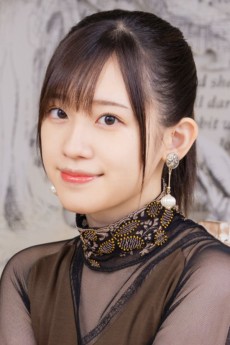
Rie Takahashi

Karashi Nerimaya
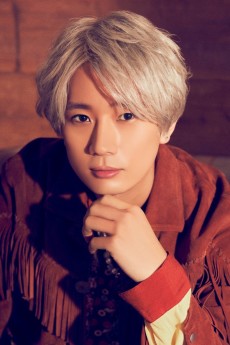
Takuya Eguchi

Kaisei Arakawa

Akihisa Shiono

Koguma Arakawa
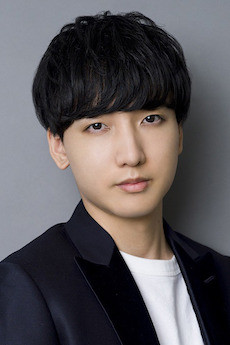
Chiaki Kobayashi

Shinta Arakawa
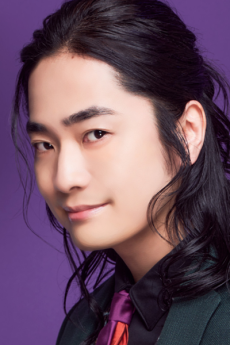
Jun Fukuyama

Maikeru Arakawa
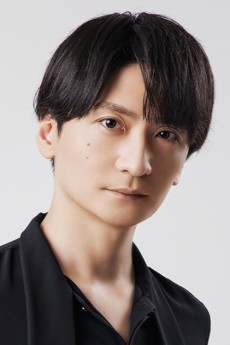
Nobunaga Shimazaki

Shiguma Arakawa
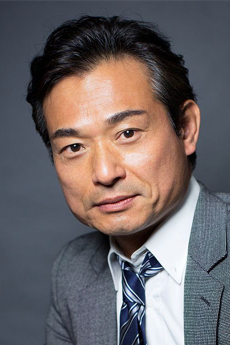
Masaki Terasoma

Machiko Iwashimizu

Mariya Ise

Isshou Arakawa
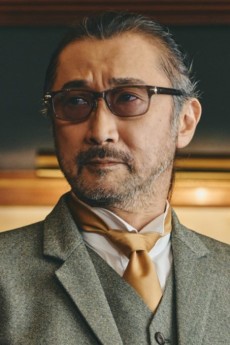
Akio Ootsuka

Kyoji Arakawa
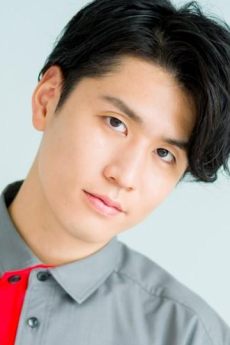
Youhei Azakami

Masaki Ousaki

Shizuka Itou

Guriko Arakawa
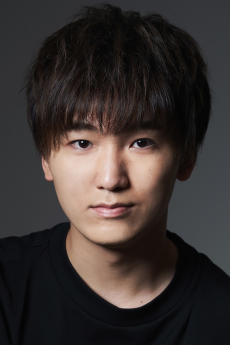
Seiichirou Yamashita

Chocho Konjakutei
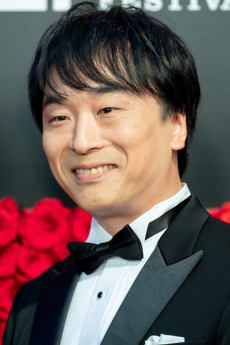
Tomokazu Seki

Urara Ransaika

Mutsumi Tamura

Shomei Tsubakiya
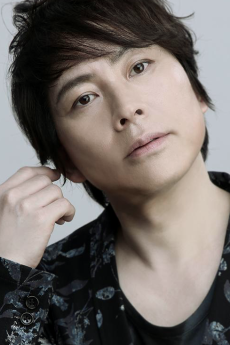
Ryoutarou Okiayu

Jumbo Ozaki

Asuna Tomari

Ikken Arakawa
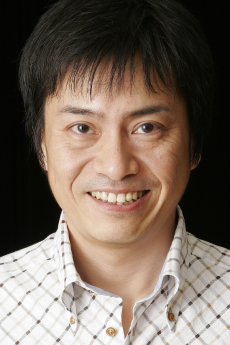
Hiroaki Hirata

Mamoru Mikuriya

Kouji Takeda

Kimihisa Kashio

Ryouta Iwasaki

Hiiragi

Riho Sugiyama

Risa Kadokura
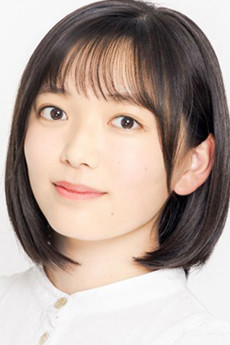
Minori Fujidera

Sae Komi

Aino Shimada

Ryujaku Sakaki
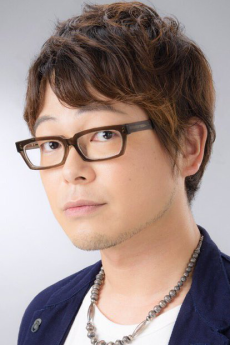
Kazuyuki Okitsu

Zensho Arakawa
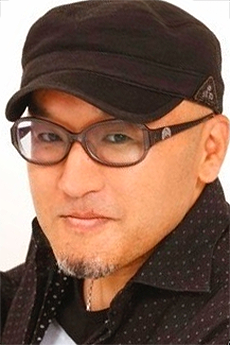
Fumihiko Tachiki
Episodes are being prepared. Check back soon.
RELATED TO AKANE-BANASHI
 MANGA DramaAkane-banashi

REVIEWS

Scheveningen
A solid drama that compelling explores the world of Rakugo but is a bit formulaic in its storytelling and charactersContinue on AniListAkane-banashi delivers on its promise to be a character drama and niche topical show with an endearing cast that both showcases the craft of Rakugo and explores its world and culture. Akane and the rest of the characters are all charmingly voice acted, capable of putting on convincingly powerful Rakugo performances. Of course, it is difficult to say how accurate or masterful the Rakugo appears to a viewer with detailed knowledge or experience with the medium, but the performance of the voice actors is sufficiently polished for there to be clear skill on display. Given Rakugo is relatively niche and a language-based artform, the extensive commentary the show provides on the origin of the stories and the nuance of each performance is mostly necessary for the average viewer to have enough context to appreciate them. However, the voice-over comments from other characters and the dramatic visual embellishments frequently get heavy handed with how much it obstructs simply hearing the Rakugo performance and letting it speak for itself. This makes Akane-banashi’s origins as a manga plain to see, where the lack of an audio component necessitates using visualization or commentary. Some of this has been adapted for anime, but it still feels too bound by its original structure to really take advantage of its transition to an audio-visual medium. While it is understandable that a major retooling of the source material would be prohibitively time-consuming or resource intensive, it does leave parts of Akane-banashi feeling fairly by the numbers when combined with strong but unexceptional character writing and a formulaic story structure. Nevertheless, it is still well executed, which is still by no means easy despite using well-trodden methods, and demonstrates a compelling amount of depth in how it explores Rakugo.
The characters of Akane-banashi are certainly all charming enough, if a little unremarkable in with how archetypical they are at present. While they are all solidly written and performed, there is not much of particular interest or depth in most of the cast beyond what is set up and expected of them in their arcs. There is still a polish to the characters with none of them feeling too one-note or lacking the potential to demonstrate interesting facets of themselves later down the line, and the emotional core of Akane's relationship with her father and master are convincingly developed. Most importantly, Akane as the protagonist helpfully has a goal driving her beyond the trite motivation of wanting to improve at something solely for the sake of it. Part of her personal motivation and conflict stemming from pride, and perhaps even spite, does give the show some additional depth and character drama beyond the usual ups and downs one finds in an anime that covers competition in sports or the performing arts. This does make for a somewhat slow start since Akane-banashi chooses to take a very direct chronological approach of having the first episode be more of a prologue set in Akane’s childhood. It also leaves the first few episodes feeling a little detached since there is little context to the rest of Akane's life beyond Rakugo despite being a student. Though the show eventually remedies by showing her at school and introducing her teacher and classmates as part of the supporting cast, it does come surprisingly late. Perhaps a more narratively ambitious story on the character front would have opened in media res and then slowly revealed and examined Akane’s motivation, but it seems clear that Akane-banashi is going for a more digestible mix of endearing character antics and drama. Perhaps the only character with any interesting complexity to them is Master Issho in how he has acted with incredible severity while also having a method to his apparent madness that is ideologically compelling. Though that might be more a necessity of writing an interesting antagonistic figure than the show’s ambition to delve into characters that hold contradictory beliefs. There is still plenty of room for the characters to grow and for more to be written or uncovered about them, but as it stands now it seems that Akane-banashi is more content to used tried and tested character writing and dynamics than push the boundaries.
Where the Akane-banashi does have something more unique and compelling to say is on the world of Rakugo. Beyond the simple historical background of the various stories being told, and the commentary on the nuances of specific Rakugoka’s performances, there is a welcomed amount of discussion around the cultural legacy Rakugo has as an artform and the different philosophies that drive it. First and foremost, it does impress upon the viewer how rich a tradition Rakugo has as in is origins as popular entertainment from the Edo period. But beyond that, it is interesting to see how Rakugo has evolved since then and how the characters have different opinions on these traditions and changes, particularly when the idea of modern adaptations are brought up. However, this commentary can feel heavy handed at times with how voice-over is used extensively to deliver this information, often obscuring the scenes of the Rakugo performances themselves. Some of this is understandable since there is a decent amount of cultural context required to appreciate Rakugo performances, perhaps even more so when it is conveyed in animated medium instead of an in-person performance. Yet it also ends up feeling ostentatious, particularly in the initial episodes where surprisingly little of the Rakugo performances are allowed to run uninterrupted. It reaches a point where the commentary feels like a crutch to tell the viewer what is exceptional about a particular Rakugoka’s style or the way they have chosen to interpret a story. This could charitably be viewed as just remnants from adapting a manga that by necessity had to convey that information in the form of narrative summary, but the amount of commentary reaches a point where it can feel a little intrusive or uninspired for an animated medium. For instance, in Kaisei’s first performance, the voice acting is sufficient to convey to the audience the sensual nature of his style once it has been pointed out by the commentary. Yet the voice-over continues to belabour to the point on top of shots of the audience reactions and visual embellishments like a pink aura bursting from Kaisei leaving the whole scene reaching the point of feeling over the top. This does gradually improve, with the commentary earning more leeway as it becomes less telling the audience and more a genuine elaboration that adds to what is occurring in a scene, but the show still relies on it heavily and has yet to strike a good balance.
It is only in the latter half of the season that the Rakugo performance are shown at any length and allowed to speak for themselves through the strength of the voice acting. This helps greatly to balance out the continued extensive use of commentary and flashbacks mid-performance since the viewer is at least offered more than snippets to the performance. Though this does emphasize how much Akana-banashi adheres to a lot of sports and even battle manga’s storytelling conventions with how it intercuts its ‘action’ with backstory. It is neither here nor there to the quality of the content itself, but it does raise the question of if the narrative could be better served or more striking by telling it in a way more specifically tailored to the performing arts. In particular, some of the latter episodes during the Karaku Cup can feel like they drag on and are overly embellished since they focus almost entirely on a single performance and Rakugoka’s backstory, exactly like a shounen battle anime’s storytelling structure during a tournament. Although it lets the viewer see a decent amount of the performance for a change, it also crams the majority of their backstory and character building into these scenes all at once. This is still serviceable for recurring characters since it at least lays the groundwork for future pay offs instead of it being used to clumsily create an immediate emotional scene. Yet it is still less than graceful, or perhaps even a bit tiresome given how frequently this type of storytelling is used.
Although keeping extended scenes of the performances hidden until now does feeling like saving an arrow in its quiver for a bit too long, it is still effective structuring since this is the second time the audience has been exposed to each of the Rakugo stories. It allows the show to rely on the viewer now having some pre-existing context and exposure to convey the impact of each performance. The directing of each scene has also improved with the visual embellishments being more focused on the scenes being narrated instead of using speedline style effects centred on the Rakugoka themselves that often feel far too exaggerated. It aids in emphasizing to the viewer that the power is in the story being told instead of some nebulous idea of a character being inherently charismatic because the narrative states they are. These visualizations are also more judiciously employed with most of them being small parts of the scene like a plate of manju or part of the skit appearing on stage or behind the Rakugoka, with total changes taking the viewer into the story being reserved for particularly powerful performances that the show wants to highlight like Akane’s Jugemu. Of course, it is difficult to say how an informed viewer with exposure to Rakugo might view these performances, perhaps finding them to be distractingly embellished by the visuals and commentary or unrealistic relative to the amount of praise they receive. But at least to a lay person, the performances are all sufficiently strong and those that are meant to be exceptional in the narrative do have an adequately striking quality that a viewer can take notice of.
This also brings up an interesting observation that most of the performances that are left to speak for themselves are major deviations from “traditional” Rakugo; one of them being a reinterpretation of a classic story set in the contemporary world, and the other meant to be a more dramatic performance by a voice actor. Perhaps this is an admission or self-awareness that these stories are the ones that are most likely to connect with the viewer with minimal additional context with how the show dedicated an extensive amount of screentime to the BM story relative to Shibahama and even Akane’s own performance. Whether intentionally or not, it does seem to imply that parts of Rakugo need to adapt or become more flexible to continue on as more than merely living history. Whether Akana-banashi will delve further into these thematic ideas around Rakugo remains to be seen, but the potential is there and it does create interesting depth beyond just exploring the characters.
Overall, Akane-banashi is a solid character drama with interesting insights into the world and craft of Rakugo. But at the same time, it is hard not to notice how formulaic and sometimes even trite it is when it comes to its storytelling and most of its characters writing. Although the use of visual and voice-over has improved over the course of the season, it seems like the show is reluctant to completely restrain it even when just letting parts of the Rakugo play out more often would create an effective scene. While that might preclude the show from produce truly striking moments, there is still plenty to find compelling with Akane’s character and conflicts being competently established and the cast being charmingly voice acted. The show is at its most interesting when discussing the Rakugo itself and the different philosophies of its Rakugoka, making it abundantly clear that Akane-banashi is interested in the artform and wants to tell a story particular to it instead of just using it as a convenient subject. Yet the full potential of this seems to chafe at other elements of the shows tone with how its character drama seems intent to be something more digestible in the vein of most other sports or even battle manga instead of being more thematically insicive. With that it seems apt to give Akane-banashi an 8 out of 10. There is clear potential for an adaptation to surpass this and for the characters to grow into something more compelling, but that will be down to a second season to build off of this.

RandomPerson9348
The Perfect Modern Shonen, and So Much More (Mostly Spoiler-Free)Continue on AniListYou don’t always get to write a review that can appreciate an anime as transcendental. That is for a lot of reasons, but mainly because that’s just not an easy title to achieve. It is a word that is easy to throw around as exaggeration, but not quite as easy to apply to something that truly fits that definition. All of that said, Akane-banashi is some transcendental stuff.
Story and Themes I think it’s only fair as a review if I talked about the story on its own first, and then talk about the insanely fun meta-readings and pacing it employs. There is no need to jump to the subtext right away, without even having dealt with a text. So, to get there, we need to settle that Akane-banashi is a story about rakugo. It is the story of a girl who sets out to get answers from an old master who destroys her father’s legacy. To do that, she needs to herself become a master of this ages-old art form.
On the surface, what follows is some bog-standard anime pacing that you will find everywhere. Akane is a determined kid who will do anything to get better. She does odd jobs, learns from her seniors, meets people who will become rivals, and has to deal with stuff at school regarding her choice of career. It is handled with a good grasp on the push and pull of tension a story like this requires, and it does that well. Every episode of comedy ends with a deeper, or more poignant note than you expect.
What Akane-banashi ends up doing well, here, is managing to handle all of this with consistent theming. That sense of ‘old vs. new’ that is trying to provide is great stuff, and is compounded in depth every time a new character is introduced. The weight of this art form, the rules of this art form, the ages-old beauty of it are wonderfully contrasted with the financial reality of being a rakugoka, the harsh judgement that comes down on people who break those rules, or the grueling work that goes into getting better.
The way the primary narrative thread of the story wraps up later is unexpected, but satisfying. It does some things that you expect, and some things that you don’t. You might like it, or you might not like it. I can see both sides of the argument, but I strictly fall on the ‘this is the greatest thing I’ve ever seen’ side.
Characters Akane is great. Like, really, really great. But that is not because she is complex, deep, or morally gray. She is great because she echoes one of the greatest shonen protagonists of all time – Son Goku.
Alright, alright, alright. Give me a chance. There is actually more in common between these characters than might be immediately obvious, but it does exist. And that is, mainly, an infectious positivity. A common issue that shonen usually faces is being able to balance two sides of the power coin. Your protagonist must be strong enough to be competent, but still weak enough to learn something and grow. In my opinion, Dragon Ball was the first show to crack that formula and make it work.
In the same way, Akane is not a beginner. She is better than her peers, and can put out performances that impress even the highest echelon of rakugo masters. Yet, she is not perfect. Her positivity comes from the determination that is required to reach perfection. Earlier, I mention how the story deals with both the positive and negative sides of rakugo. What makes Akane great as a protagonist is her willingness to approach both of those sides with a smile on her face.
She is not afraid to change her style to get better at what she is doing. She watches, and learns, and realizes her own mistakes to work on her own art. Her character arc comes less from her learning how to perform, and more from understanding how her skills need to be applied to this art form. It is not about an exponential growth, but a change in perspective.
To push her to those limits, we have the many side characters that come with her. And Akane-banashi has side characters. Like, a lot of them. And most of them are, like, better than they really need to be. Unfortunately, because I have already spent too much time talking about Akane herself, I’ll make my through them in shorter lines. But know that anyone who has their name mentioned here is probably worth your attention.
Shinta Arakawa, Shiguma Arakawa, Machiko Iwashimizu, and Koguma Arakawa are all fantastic mentor figures. They manage to leave a lasting impression despite not being present in the story for very long. One of them, well, not even past the first episode. There is a very economical handling of their interjections, and it is done impressively.
Rivals like Hikaru Koragi and Karashi Nerimaya are interesting without being favorites just yet. They are given enough depth to not feel like cardboard cutouts that Akane is meant to stomp, but their arcs do not enter the fantastic interweaving that you usually expect from tournament arcs. I will push back on Kaisei Arakawa as a whole, since I feel like he has not yet justified his existence in the narrative, but it will be interesting to see where that goes.
Finally, Issho Arakawa. There is nothing I like to see more than a villain you can’t help but hate, but also can’t help but agree with. And it’s even more fun when the ‘villainous’ nature of theirs is purely a philosophical difference, and not some genuinely corrupt moral decision. Issho is a man driven by his art, and he is driven to insane limits to keep it alive. Instantly iconic.
Presentation This is good stuff. Like, really good stuff.
When you’re making an anime which is 60% people sitting on a pillow and talking, it’s not easy to pull off the tension. You really need to rely on your camerawork and pacing to keep the audience engaged, and that is another front Akane-banashi succeeds in. Both the story itself, along with the cinematography and music, are equally important in maintaining that high bar of quality here. Thus, they deserve equal attention.
The first episode is, as you might notice, miles about quality than the rest, and this is a growing trend in anime (Thank you, Oshi no Ko). Thankfully, even though the creativity might slowly go down in terms of risks with storyboarding over time, the show still manages to keep it captivating enough to keep you going. There is even a particular shot in the very final episode that I would probably count as one of my favorite sequences in all of 2026.
The voice acting work is similarly phenomenal. As I said, the entire premise of the show is about your voice and performance, so there is a very strict professionality that it demands. Good for Akane-banashi, though, because they managed to get a very stacked cast in here. I’ve praised Anna Nagase before, and I’ll do it all over again. She is a fantastic voice actress, and is able to pull out all her stops here. Same goes for classic names like Rie Takahashi, Chiaki Kobayashi, Jun Fukuyama and Mariya Ise.
The music is also impressive, and does what it is trying to do quite well. The OP and ED, in particular, have a very playful interpretation of the story’s themes. Both manage to blend an old-timey vibe with modern sensibilities in their works. “Hitotarashi” by Keisuke Kuwata is an absolute banger, though I much prefer “AKANE On My Mind ~Manjuu Kowai” by the same artist. Great voice work.
And, finally, the part which I am really here to talk about. Unfortunately, this part will contain spoilers, so you have been warned.
The Meta-Stuff (Spoiler Warning) Akane-banashi is an animanga about rakugo in a world which has long moved past the art form. It is trying to tell a story about people sitting down and telling stories in an age where people value flashy animation and intense action above character work and drama. And it knows that. It knows it so well, and manipulates its own story to make it work.
In Episode 4, Akane is asked to work at an izakaya. She must learn how to adapt herself to her audience, so that they are captivated first, and earned second. She learns that you need to ease the audience in with a rhythm they like before getting the freedom to do your own thing. Now, let me remind you again – Akane-banashi is a story about rakugo in a world which wants action.
So, what do you do? Simple. You make the first episode set up a revenge arc. It is easier to sell, and has more tension immediately. You shoot it like an action sequence with the push and pull that you expect from one of them, along with the twist ending that is warranted at the end.
During the tournament arc, Akane is asked to perform Jugemu in every single round to win. The issue? It is a story that about the same name being repeated over and over again, which she must repeat to the audience while still keeping it fresh. A story that relies on one primary engagement engine, and nothing else. Now, let me remind you – Akane-banashi is a story about people sitting down and telling stories.
It is the same set piece, over and over and over again. The question of Jugemu is not a question to Akane, but a question to the story as a whole. Can you keep up the same formula forever, without making it boring or repetitive? And it answers that question by literally putting it in a tournament arc to prove that it can. Then, it takes a step ahead by letting Akane end her Jugemu performance with an unexpected twist with the repetitive nature of the story becomes a point fo catharsis rather than tragedy.
Just like how Jugemu’s long name is what causes him to get out of the river himself, Akane’s constant drive to get better makes her a more competent performer than the others at the Karaku Cup. It is not a tournament arc meant to lead to tension, like Jugemu was meant to lead to tragedy. It is one that leads to recognition from the place you least expect it. Just like Akane’s performance ends with he comedic survival of a child, the arc ends with Issho Arakawa acknowledging her skills as an accomplished rakugoka.
The constant questioning of old vs. new is not just about rakugo, but about itself. Long gone are the days where people would sit down and watch a story about stories. But it still wants to exist. It still wants to tell something, and be more, and it fights for it tooth and nail. It is the old that is trying to break into the animanga world, but it is not afraid to be the new that shatters conventions and does something different with its world.
Issho Arakawa’s anger over lack of perfection is echoed in story’s own pacing. The many different ways people approach rakugo itself is a representation of how art can always be manipulated to serve your own strengths. It is a celebration of everything that makes animanga worth seeing, while it demands to have a seat on that council. It doesn’t let go of tradition, but it also doesn’t shun modern standards to do so. It is able to find the middle ground that Akane herself, as a performer, represents.
And when Akane is able to inspire her own classmates to follow their own dreams in the final episode, it is a little treat to the show itself. It is a confirmation of the idea that even with that balance, which not be everyone’s cup of tea, you can carve out a place for yourself in a world that isn’t built to support your style. As long as you give it your all, anything is possible.
As I said, transcendental stuff.
WTLDR (Way Too Long, Didn’t Read) This is fucking peak. 
melamuna
Shounen flair elevates a niche artform into a uniquely refreshing seriesContinue on AniList

Rakugo is an ancient form of Japanese performance storytelling, where a single performer narrates a story through highly expressive delivery that can evoke either comedic relief or dramatic weight, both of which are designed to elicit strong emotional responses from the audience. Fast forward to today, and many new storytelling mediums have emerged that appeal more broadly to the masses—one of which is a lengthy stack of pages flipped through in sequence to simulate movement, or what we now call animation.
Rakugo has, over time, settled into a niche medium, rarely seen or even recognized by modern audiences.
Enter Shōnen Jump, which—while more accurately a demographic than a genre—still carries recognizable formulas. Among the most common are tournament arcs, where characters battle each other not just with physical strength, but also wit, to determine who reigns supreme. While this structure is most often associated with action-oriented series, it has since evolved and branched into more unique forms of storytelling.
Which begs the question: can a niche, rigid art form like Rakugo blend into the fluid, high-energy structure of shounen storytelling we’ve seen so often? ***

To answer the question: yes, it can. But it needs to fulfill three ingredients in order to be an effective, unique shounen series: story, characters, and presentation.
The story alone is by far the easiest, as it’s nowhere near unique compared to what we’ve seen in many shounen series. It mostly leans toward the sports genre, where a character is fiercely determined to become the best at their specialized skill, and each completed arc brings a new lesson learned—gradually closing the gap between amateur and expert.
Although, no matter how perfectly and flawlessly you want the story to unfold, people wouldn’t stay invested without a captivating lead. In this case, Akane is exactly that: a compelling protagonist. Her eagerness to reach her goal through sheer determination makes her admirable, and her expressive and energetic personality adds an extra layer of charm, making her one of the more entertaining leads to follow. The tournament structure further pushes Akane through greater heights episode by episode.
These two ingredients are elevated by presentation as the cherry on top. The Rakugo scenes—especially when Akane performs, along with her competitors—are immediately captivating, not only because of the performance itself and the talent of the voice actors, but because of how Rakugo is framed not as a rigid art form, but as something alive, interesting, and deeply engaging. With every new competition scene, you’re not just hooked by the content, but by how the direction builds and sustains tension and hype. It’s a strong example of how structure and direction can fully elevate a scene when used effectively.

But I wouldn’t let this anime slide without criticism. I definitely have a lot of things I didn’t like, mainly the pacing of the series—a fairly subjective take on my part—where I felt like the series didn't match the same energy as the manga did compared to the anime. It could have been more expressive or visually stimulating to better match the performances on screen, or the animation and direction could have been pushed further to match the energy of the material. Additionally, the side characters and competitors aren’t that captivating as they seem to be, so this series mainly relies on Alane and her competitors.
These are all fairly common faults you might see in other shounen titles, but since this is a type of series where you’re primarily drawn in by its unique subject matter combined with a familiar structure, it’s still something a lot of viewers will seek out—either because of their love for Rakugo, or because they’re looking for a refreshing take on a familiar premise. ***

Akane-banashi is one of the most unique series out there, combining a niche art form like Rakugo with a well-proven and tested shounen formula, all mixed together into a refreshingly entertaining story (though slightly slower paced than the vast majority of hyper-paced shounen).
If you’re a fan of one—or both at the same time—this is an easy recommendation. ***
COMMENTS
0 Comments
SIMILAR ANIMES YOU MAY LIKE
 ANIME2016, DramaShowa Genroku Rakugo Shinju
 ANIME2016, DramaMarch comes in like a lion
 ANIME2011, DramaChihayafuru
 ANIME2022, ComedyMy Master Has No Tail
 ANIME2022, ComedyTEPPEN!!!!!!!!!!!!!!! Laughing 'til You Cry
 ONA2021, DramaBlue Period
 ANIME2019, DramaKono Oto Tomare!: Sounds of Life
 ANIME2022, ComedyMy Dress-Up Darling


SCORE
- (3.95/5)
TRAILER
MORE INFO
Ended inJune 20, 2026
Main Studio ZEXCS
Trending Level 5
Favorited by 841 Users
Hashtag #あかね噺


