

CITRUS
STATUS
COMPLETE
VOLUMES
10
RELEASE
August 18, 2018
CHAPTERS
50
DESCRIPTION
Yuzuko Aihara, a high school girl whose main interests are fashion, friends and having fun, is about to get a reality check. Due to her mom’s remarriage, Yuzu has transferred to a new, all-girls school that is extremely strict. Her real education is about to begin.
From Day One, happy-go-lucky Yuzu makes enemies, namely the beautiful yet stern Student Council President Mei. So what happens when a dejected Yuzu returns home and discovers the shock of her life: that Mei is actually her new step-sister who has come to live with her? Even more surprising, when Mei catches Yuzu off-guard and kisses her out of the blue, what does it all mean?
(Source: Seven Seas Entertainment)
Note: Includes nine extra chapters.
CAST

Yuzu Aihara

Mei Aihara

Harumi Taniguchi

Matsuri Mizusawa

Himeko Momokino

Sara Tachibana

Nina Tachibana

Shiraho Suzuran

Kayo Maruta

Ume Aihara
Shou Aihara

Nene Nomura
CHAPTERS
RELATED TO CITRUS


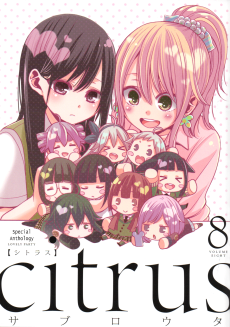
 MANGA Comedycitrus Comic Anthology

REVIEWS

SoulBlade17
Its flaws stand out, but that does not mean you cannot enjoy this Yuri.Continue on AniListPlease note This review is all subjective and my own personal opinion. You do not have to agree with it, nor am I asking you to. I hope that this just helps you get an idea of what the manga I am talking about is like and form a basic and general consensus on it. The ratings I give anime and manga are mostly my personal overall enjoyment. I have not watched the anime adaptation, and it has been around a month since I have read the manga. This review will be spoiler free, however I will be discussing the ending in a later segment of the review. It will first be discussed in broad terms, then I will go into more explicit details of the ending, which will be hidden with a spoiler tag. If you do not wish for any spoilers whatsoever, please skip to the ending segment of this review. A big thank you to [Nikz](https://anilist.co/user/Nikz/) for proofreading this review and giving me feedback. TL;DR will be at the bottom. Introduction Citrus is yet another Yuri manga, featuring the two main characters Mei and Yuzu Aihara. Yes, they are sisters. I should say step sisters. The story starts off with Yuzu Aihara being transferred to a new all girls school, a very strict one at that. Her carefree attitude is quick to make trouble and enemies at her new school, namely the school council president Mei. After an eventful school day, she returns home to find that she has a new step sister, and lo and behold, it is Mei. Quite cliché, and some would say a bit cringe inducing. Soon after realising this, Yuzu receives a kiss from Mei, leaving her flustered and confused. This sparks her feelings for Mei, and thus begins the events of Citrus. Could this beginning have been better? Perhaps, but I soon got over it. I can easily see why this may turn some people off this manga, but it takes a little commitment.
Plot This manga’s plot mainly revolves around Mei and Yuzu, them trying to build their relationship and them facing the problems that come their way. I will say though, the plot is not exactly this manga’s strongest point. The plot basically goes like this, a new character comes along, they bring a new issue, issue gets resolved, and repeat. New characters keep being introduced for the sake of having a new complication to resolve. Needless to say though, the characters do go through development through the resolution of these difficulties, and they build new bonds too. That in turn makes up for the repetitive plot structure, at least for me it did. The plot was overall not bad, it was decent enough overall to keep me reading. The plot was simple, having the characters resolve an issue and through the resolution, they gain some development out of it. Straightforward, but it was effective enough to keep me reading. I always liked to see how the plot would unfold and how the characters would change. Given the nature of Citrus, it can get a bit cliché at times, and uncomfortable for reasons I will delve into later. I was invested in knowing what happened next, but that was mostly thanks to the characters in this manga, and the relationships they hold.
Characters There are a wide range of characters featured in Citrus. Having too many characters is not necessarily a good thing, as it can leave many characters not having enough development and time in the story, ultimately leaving them feeling unnecessary. This can be felt to be the case at times with Citrus. I mentioned earlier that the plot structure is mainly a new character gets introduced and a problem comes with them. That is mainly how characters are introduced in Citrus. As such, it can leave the reader overwhelmed with being bombarded with a wide array of characters, as soon as they were done reading the resolution to something else. Luckily, the characters are not completely tossed to the side, they are kept as a part of the story and make multiple appearances after their introduction. I never felt that their placement in the story was too forced, but I can see why others would see it that way. As for the characters themselves, I found them to be interesting and intriguing to read about. The main two characters are somewhat cliché with their personalities, Mei being the stoic, quiet girl and Yuzu being outgoing and cheerful. Harumin, one of the more regular supporting characters, plays the role as the pole for Yuzu to lean on. She supports Yuzu numerous times throughout the story, and is established as such quite early on. One character that gets introduced a little later on is Matsuri Mizusawa. Personally, she was one of my lesser liked characters, she felt quite annoying at times. That said, she is quite pivotal in the plot at moments. Whilst she does get some development throughout the course of the story, I do feel that there could have been more, but it is what it is. Another notable character is Himeko Momokino who is Mei’s childhood friend. In my opinion, she is one of the weaker characters in the manga. She is essentially the voice of the school rules to Yuzu mostly at the beginning, but it dies down later. One of my favourite characters in Citrus is Shiraho Suzuran. She is one of the more interesting characters, having an unique personality and the uncanny ability to read people very well. Alas, she is introduced in the latter parts of the manga, so she features in Citrus less.
Art The art was something I really liked about Citrus. I found the quality of the art to be quite the spectacle when I first starting reading Citrus. The detail put into the expressions onto the characters only builds upon the emotions they convey, and help better deliver the plot and characters to the reader. There is a lot of blushing in Citrus, and I personally felt it was drawn well. The settings were done decently, and overall the world just looked luscious.
The uncomfortable bits From what little I have seen from looking around, it seems that Citrus has gained some notoriety for having many instances of forced sexual actions and the like in it. This is not without reason. Stuff like that does happen multiple times in Citrus. Fret not, it never crosses the line of going too far, if you understand what I am saying. So why is all of this in Citrus? Fan service? Relationship building? To make the plot more intense? It could also be to hook the readers in, waiting for Mei and Yuzu to take that next, big and intimate step in their relationship. Just so you know, that step never takes place in Citrus. It might in Citrus+, but that is something time will tell. I honestly could not tell you the answer. What it means and what it purpose it holds is up to you, the reader. I will say though, it does feel unnecessary at times, but it can make the plot more… interesting for the lack of a better word. But this can most certainly be a huge turn away for some readers. It can most certainly make one uncomfortable reading it. If that kind of thing is not to your liking, you may want to stay away from this manga. If you can handle it, then perhaps you will want to give Citrus a try.
The ending ____If you do not want any spoilers whatsoever regarding the ending, please skip ahead to the conclusion of the review.____ A problem that I have come across in the romances I have read is their abrupt ending. They end suddenly, and just leave me there desiring for so much more. Given that romances make me even more emotionally invested into the series, it makes getting to the end feel even worse. Citrus does suffer from this issue, perhaps being one of the most abrupt endings I have read or watched. It was so sudden, and I was surprised that it ended there. Given the nature of the ending, it does leave one wanting to see more, especially if they have enjoyed reading Citrus. In further detail of the ending, major spoilers ahead: The ending pretty much goes like this. The trope of the main character running to see their loved one takes place in the ending segment of Citrus. Yuzu rushes to see Mei before she agrees to an arranged marriage. After stopping it, the two exchange words, and promise to marry each other. Straight after that… it cuts to their wedding. Immediately. Nothing else, straight to that. It was so sudden and felt out of place. Whether this was due to time constraints or something else, I am not sure. On the bright side, Citrus+ is being released as a sequel, which fills the gap of what happens in between their promise of getting married and the wedding. Personally, it would have been nice for the wedding ending to not be present, and just go ahead with what is going on with Citrus+ right now. But that is just my personal take on it.
Conclusion and TL;DR Despite its flaws, I enjoyed Citrus. I found myself immersed in the story and characters, finishing the whole manga in two days. Is this something I would recommend? It is a bit hard to say. If you want to get into a new Yuri, with some nice art and interesting characters go for it. If the uncomfortable bits are something you cannot get past, then it may be best to put this one aside. The score I am giving here is my personal overall enjoyment, but if I was being purely objective, then I probably score Citrus at around an 60 or below. To summarise this review:
- The plot structure can get a bit tedious, mostly it following the routine of a new character gets introduced, they bring a problem, said problem gets resolved and repeat. But overall, not terrible.
- A wide range of characters, some stronger than others. The way they are introduced can be a bit weak. But, they are never fully left in the shadows, and remain a part of the story for the whole way through.
- Great art, strongly conveys the emotions of the characters.
- Citrus has a few uncomfortable sexual moments, you will have to bear with it in order to complete Citrus.
- The ending is really abrupt, and leaves much more to be desired.
Thank you to those who took the time to read this review. I hope you were able to get something out of this review. If you did not like this review, then I apologise for wasting your time.

NapoJ
Incienso (reseña en ESP y ENG)Continue on AniListLa siguiente reseña está en Español e Inglés (traducida con el apoyo de DeepL)
La versión leída es la licenciada al español por “Ivrea España”Su historia es presentada como un amor prohibido, y no es del todo porque ambas sean chicas o por ser polos opuestos, es porque son familia, hermanastras. Es una premisa “picante”, y desde el primer capítulo se le comunica al lector que hay momentos correspondientes a este ambiente, con toqueteos, sonrojos y confusiones, porque el amor prohibido es el escenario ideal para los instantes más “ardientes”.
Sin embargo, tampoco se puede encasillar únicamente a ese ambiente. También es una “típica historia romántica”, el contar de polos opuestos nos da las bases para el desarrollo de comprenderse una a la otra, de tener citas y compartir momentos tiernos, preocuparse entre sí, y que por sus diferencias se puedan “complementar” correctamente.
Saburouta debía conseguir un equilibrio entre ambas visiones y de alguna manera llevar a término a los dos, y desgraciadamente no consiguió ninguno. En cuánto al segundo enfoque, ese desarrollo regular que he comentado sucede entre sesiones de un drama reiterado, sea falta de comunicación, incomprensión de los sentimientos, o situaciones forzadas que no tienen trascendencia en la narrativa. Las primeras dos son comprensibles, sobre todo considerando las bases que he expuesto, lo que se diluye con el tiempo son las lecciones no aprendidas por los personajes, se olvidan inmediatamente ante el siguiente obstáculo emocional.

Aún así, puede trazarse un desarrollo en nuestras dos protagonistas, ambas aprendiendo a amar y cómo pasar el tiempo con la persona que quieren (dando pie a más de una situación incómoda). Cada una afrontando la relación desde su visión: Mei siendo cada vez más sincera con sus sentimientos y Yuzu consolidando su determinación para seguir sus emociones. Es una lástima que deba haberse conseguido a través de esta reiteración de inconveniencias que podían haber sido mejor planteadas con otras situaciones utilizadas en el género, y que en últimas sólo una de las dos termina reflejando el desarrollo construido.
Alrededor de las dos existe un telar de amistades que aporta cuando no están inmiscuidas en las estrafalarias situaciones emocionales, especialmente en el caso de Harumi, cuya amistad con Yuzu la presenta en otros contextos, consolidando su personaje. Y por eso se echa de menos que no tengamos más capítulos dedicados al compartir diario, sobre todo porque Saburouta tiene un divertido sentido del humor, notable en las ilustraciones “bonus” de cada volumen.
Y respecto al primer enfoque, este es mi principal inconveniente en lo que es Citrus, y el modo en que es presentado. Hubiese bastado que ese amor prohibido fuera sólo ser polos opuestos, con la superación de las expectativas impuestas y la conciliación de personalidades. Ser “hermanastras” sobra, y quiero puntualizar que no lo señaló por un factor moralista o puritano, al contrario, es porque Saburouta no hace nada con esta premisa.

Pese a que Yuzu en más de un momento reflexiona en esa superación de la barrera social entre familia y amante, es sólo eso, momentos. No hay otro personaje que brinde contrapeso u observación a este hecho, y cuando debe ser afrontado, es resuelto de una manera tan “automática” que sólo puede dejar al lector preguntándose cuál era el punto de haberlo incluido en primer lugar. Se permite tener un entorno en común para incluir más situaciones, que igual podían haber sido conseguidas de otra manera, y sigue siendo un logro secundario de la evidente razón principal y con la que abrí la reseña, es sólo para reafirmar ser ese romance “prohibido”, pero como se demuestra en la resolución, nunca fue tan “prohibido”.
Ojo, tampoco quiero implicar que al removerlo la trama mejorase automáticamente, los dramas redundantes y desarrollo a trompicones siguen existiendo, la diferencia es no soportarse en un factor “fantasma”. Ahí sí podemos hacer presunciones de que pudiese haberse dedicado a desarrollar la historia a través de otras maneras, más son sólo eso, suposiciones.
En lo referido al talento de plasmar visualmente la narrativa, se merece un distinguido reconocimiento. Sea en la expresión que tienen los personajes, encapsulando en una mirada el conflicto de los sentimientos dada cierta situación, en el detalle del vestuario y el cabello, en el posicionamiento en los paneles de doble página, la fluidez narrativa en el maquetado de sus paneles, o por supuesto, sus momentos “picantes” que constituyen parte de su fama. Hay una dedicación notable en cómo es perfeccionada en el transcurso de la historia.

El diseño de personajes es otro punto destacable, obviando los personajes más secundarios que pertenecen a ser “funcionales”, el círculo principal tiene características particulares reflejantes de su personalidad, como el maquillaje y la dedicación a la moda de Yuzu, el aspecto sobrio de Mei o Matsuri y sus audífonos. Los fondos también se les invierte el tiempo suficiente para que no sean meramente de trámite.
Citrus se presenta de una manera que no termina de ser, una especie de desconfianza en su base que apela a lo “prohibido” sin nunca haberse esforzado en explorarlo como debería. En cambio, se enreda en dramas repetitivos y concesiones olvidadas, para de vez en cuando tener destellos de esa relación romántica entre polos opuestos que se merecía ser.

English
The story is presented as a forbidden romance, and that is not entirely because the two leads are girls or because they are polar opposites, but because they are family—stepsisters. It is a “spicy” premise, and from the very first chapter, the reader is made aware that there will be moments fitting that atmosphere: touching, blushing, confusion, and all the awkwardness that comes with it, because forbidden love is the ideal setting for the most “heated” moments.
However, it cannot be confined entirely to that side of things. It is also a “typical romance story.” The idea of two opposites gives the narrative a foundation for them to gradually understand one another, go on dates, share tender moments, worry about each other, and ultimately “complement” one another precisely because of their differences.
Saburouta had to strike a balance between these two approaches and somehow bring both to fruition. Unfortunately, accomplished neither. As for the second approach, the more conventional romantic development I described is constantly interrupted by recurring drama, whether it is a lack of communication, an inability to understand their own feelings, or contrived situations that ultimately have no lasting significance to the narrative. The first two are understandable, especially considering the foundations I have laid out, but what becomes increasingly frustrating is how quickly the characters forget the lessons they have supposedly learned, only to repeat the same mistakes when the next emotional obstacle appears.

Even so, there is a discernible progression in our two protagonists, both of whom gradually learn how to love and how to spend time with the person they care about—giving rise to more than a few awkward situations along the way. Each approaches the relationship from her own perspective: Mei becomes increasingly honest about her feelings, while Yuzu gradually solidifies her determination to follow her emotions. It is a shame that this development had to be achieved through such a repetitive cycle of inconveniences, when the genre offers plenty of other situations that could have been used more effectively, and that, ultimately, only one of the two characters truly reflects the development that has been built up.
Surrounding the two of them is a web of friendships that adds something whenever they are not caught up in their outlandish emotional situations. Harumi is especially notable, as her friendship with Yuzu allows us to see her in different contexts and gives her character greater substance. This is why it feels like a missed opportunity that we do not get more chapters devoted to their everyday interactions, especially since Saburouta has a genuinely fun sense of humor, which is particularly apparent in the “bonus” illustrations included with each volume.
As for the first approach, this is my main issue with Citrus and the way its premise is presented. It would have been enough for the forbidden aspect of their relationship to come from their being polar opposites, with the story focusing on overcoming social expectations and reconciling their personalities. Making them stepsisters feels unnecessary, and I want to emphasize that I am not saying this from a moralistic or puritanical standpoint. Quite the opposite: my issue is that Saburouta does almost nothing with the premise.

Although Yuzu reflects more than once on overcoming the social barrier between being family and being lovers, that is all those moments amount to. No other character provides any real counterpoint or perspective on the matter, and when the issue finally has to be confronted, it is resolved in such an “automatic” manner that the reader can only wonder what the point of including it was in the first place. The shared family environment certainly allows the story to create additional situations, but those could have been achieved in other ways as well. Ultimately, it remains secondary to the obvious reason for its inclusion—the very reason I mentioned at the beginning of this review: to reinforce the idea that this is a “forbidden” romance. Yet, as the resolution demonstrates, it was never all that “forbidden” to begin with.
That said, I do not mean to imply that removing this element would have automatically made the story better. The redundant drama and uneven development would still be there. The difference is that the story would no longer be relying on a kind of “ghost factor” to support its premise. From there, we could speculate that the story might have devoted itself to developing the relationship in other ways, but that is all they would be: assumptions.
When it comes to Saburouta’s talent for translating the narrative into visual form, however, they deserves considerable recognition. Whether it is in the characters’ expressions, capturing the conflict between their feelings in a single glance; the attention given to clothing and hair; the positioning of characters across double-page spreads; the narrative flow created through panel composition; or, of course, the “spicy” moments that have become part of the series’ reputation, there is a remarkable degree of care in how this aspect of the manga is refined throughout the story.

The character designs are another notable strength. Setting aside the more secondary characters, who largely exist to fulfill specific functions, the central cast has distinctive traits that reflect their personalities: Yuzu’s makeup and dedication to fashion, Mei’s more restrained appearance, or Matsuri and her headphones. The backgrounds are also given enough attention that they never feel like mere filler.
Citrus presents itself in a way that never quite manages to justify its own premise, as though there were a certain lack of confidence in its foundation that led it to appeal to the idea of the “forbidden” without ever making a genuine effort to explore what that should entail. Instead, it becomes tangled in repetitive drama and quickly forgotten concessions, occasionally offering glimpses of the romantic relationship between two opposites that it deserved to be.

COMMENTS
0 Comments
SIMILAR MANGAS YOU MAY LIKE
 MANGA DramaNTR: Netsuzou Trap
 MANGA DramaBloom Into You
 MANGA ComedyRainbows After Storms
 MANGA DramaFujiyuu Sekai
 MANGA DramaGIRL FRIENDS
 MANGA ComedyYuri Is My Job!
 MANGA ComedyFailed Princesses
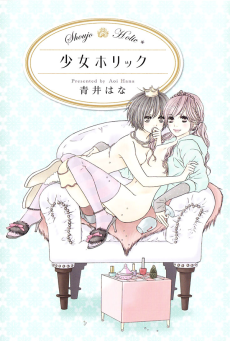 MANGA RomanceShoujo Holic


SCORE
- (3.5/5)
TRAILER
MORE INFO
Ended inAugust 18, 2018
Favorited by 1,210 Users