

POKÉMON: THE FIRST MOVIE
MOVIE
Dubbed
SOURCE
VIDEO GAME
RELEASE
July 18, 1998
LENGTH
75 min
DESCRIPTION
A team of scientists use the DNA of a rare Pokemon, Mew, to create the world's strongest Pokemon, Mewtwo. Not wanting to be used as an experiment, Mewtwo uses its psychic powers in a violent rage to destroy the scientists who created it. Mewtwo then tries to learn how to focus his powers with the aid of Giovanni, the man who funded the scientists' operations, but discovers that it is being used again. So Mewtwo decides to find its own purpose in life, and carry out its revenge on humans by destroying life on earth by using a deadly storm. Ash Ketchum and a group of other Pokemon Trainers are summoned by Mewtwo to have a battle with it, but they soon discover that they're only being invited so Mewtwo can clone their Pokemon for it's own purposes. Ash then tries to find a way to stop Mewtwo's plot before it can be carried out.
(Source: Anime News Network)
Note: Originally screened in theaters as 75 minutes, a "complete version" was broadcast on TV the following year shortly before the release of Pokémon the Movie 2000, adding a reconstructed storytelling of Ash and Pikachu's first meeting to its runtime making it 85 minutes.
CAST

Satoshi

Rica Matsumoto

Pikachu

Ikue Ootani

Takeshi

Yuuji Ueda

Kasumi

Mayumi Iizuka

Mewtwo
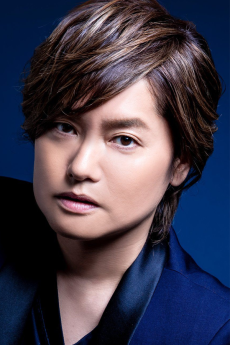
Shoutarou Morikubo

Mew
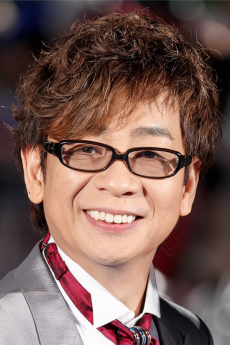
Kouichi Yamadera

Narrator

Unshou Ishizuka

Kojirou
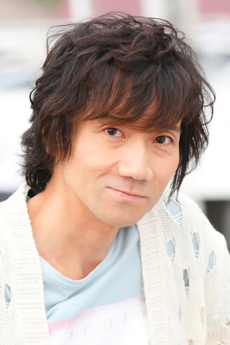
Shinichirou Miki

Musashi

Megumi Hayashibara

Nyarth

Inuko Inuyama

Koduck

Rikako Aikawa

Lizardon
Shinichirou Miki

Zenigame

Eric Stuart

Shigeru Ookido

Hasse Jonsson

Togepy

Satomi Koorogi

Joy

Megan Hollingshead

Kairyu

Mitsuru Ogata

Junsa

Chinami Nishimura

Yukinari Ookido

Carlos Seidl

Sakaki

Hirotaka Suzuoki

Sweet

Lisa Ortiz

Voyager

Sachiko Kobayashi

Sorao
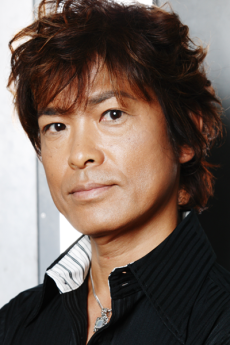
Tooru Furuya

Fuji Hakase

Yousuke Akimoto

Umio
Wataru Takagi
Episodes are being prepared. Check back soon.
RELATED TO POKÉMON: THE FIRST MOVIE


REVIEWS

TheRealKyuubey
Not the worst Pokemon movie by far, but that's not saying much.Continue on AniListHello there! Welcome to the world of adaptations! My name is Naru! This world is inhabited by creatures called Pokemon, who live in harmony with the humans who capture and train them! For some people, Pokemon are pets. Others use them for fights. For others, Pokemon are used for scientific testing, stored in suspended animation in large glass tubes while individuals far less ethically inclined than myself attempt to use them to perfect the art of cloning. This may not include you, an innocent and unassuming ten year old of indeterminate gender… Seriously, what are you, a boy or a girl? Anyway, one particular scientist wanted nothing more than to use cloning to bring back his deceased daughter… Because it worked so well for Shou Tucker… So they went on an expedition, found a fossil of the ancient Pokemon Mew, and while the artificial soul they created for little Amber may have faded away, after several failed experiments(which now exist in the wild as Dittos), they eventually succeeded in combining Mew’s DNA with that of a human’s to create a new Pokemon, the creatively named Mewtwo.
But the ability to think elaborately and ponder one’s own existence apparently does not bode well for the young lab subject, who doesn’t take his imprisonment and subjugation lying down. He blows the place up, kills everyone, and after some ill-advised soul searching with the leader of Team Rocket, he decides to strike out on his own and prove to the world that cloned Pokemon are not only superior to real Pokemon, but that they’re completely independent of their human captors! He does this by taking over an island close to a popular port, building a base, and perfecting the cloning technology that was used to create three friends he can no longer remember the existence of. He employs a Dragonite that he met… somehow… to send out fliers advertising an event for only the best and brightest pokemon trainers in the immediate area to attend! He creates a massive storm to separate the real challengers from the… Well, let’s not beat around the bush, corpses… But by mistake, he also winds up bringing in Ash Ketchum, a trainer from Pallet Town, and his friends along for the ride! Will their main-characterness get in the way of his perfect evil plan, or will Mewtwo become the real reason Ash never turns 11?
If you’ve ever seen the original Pokemon series, it would be fair to say that it was a low quality affair at best, and animation was one of the many things that you couldn’t really call it’s strong suit. It was passable enough during battle scenes and the few repeated animations, such as Ash’s trademarked hat turn, but for the most part, the production company Team Ota kept costs low, relying on the lacking standards of child viewers to keep the project simple and inexpensive… Or, that’s what I’m assuming they did, but they didn’t have that the rights to that excuse when they made Berserk. Yup, the Pokemon people animated Berserk. At it’s worst, the series was embarrassing to look at, particularly in the early years. Most of the budget clearly went to visual effects, like the lighting effects of Pokemon being captured, Pokemon evolving, and certain intense battle scenes. It wasn’t badly directed or anything, as it was more than serviceable enough for young viewers, speedlines and other tricks are used more or less effectively, and the motion that occurred on screen was never wasted. There were a few too many dialogue-heavy staticky scenes, and I can tell you from a recent rewatch that the animators did get noticeably lazy in the middle of the Kanto arc, but it was fine for what it was.
Having said that, this movie was exactly what the anime analogue of a long-running anime should be… A giant step up in budget and quality control. The movie goes to a lot of really dark places, so appropriately enough, there’s a darker palette at play, and a far more frequent use of shadows than even the spookiest of episodes. There are a few moments that look to have had as low a budget as the series, particularly with one of the earlier scenes of Ash, Misty and Brock stopping for a lunch break, but when it’s called for, the animation can get surprisingly fluid at times. There’s also quite a few shots incorporating CG, and yeah, they stick out like a sore thumb, but since the movie came out in 1999, we can give it a pass on that. It exercises a much better balance between the two styles than many of the newer movies, which use CG to such lavish degree that the standard animation has to suffer to compensate. It’s so effective over-all that with help from the soundtrack, certain scenes can feel unbelievably harrowing or at some points even creepy. For example, in the scene where Ash and his friends first arrive on New Island(yeah, they call it that), and are greeted by Mewtwo’s assistant, the atmosphere is so warying that you don’t know WHAT’s about to happen.
And speaking of the music… Well, it’s a bit bipolar. There are two sides to it, the soundtrack and the score, and they clash even more than the fighting Pokemon do. The score, for what it is, is great. It’s not your typical collection of Pokemon background instrumentals, albeit scaled up to better portray the higher stakes and more epic nature of the story. Even when listened to out of context, these tunes convey very clear emotion, so I don’t think I should have to tell you how effective it all is in context, whether you’re hearing it in the movie in real time or on it’s own terms on the extremely rare Score CD, and you have the actual events of the movie to pair it to. Quite a few of the tunes have an almost Danny Elfman-like quality to them, and I don’t mean in the bouncy Springfield-like kind of way… It’s more like what you’d hear from him in a Tim Burton project, with that sense of mystery and wonder guiding you through an otherwise bland and formulaic story. Some of my personal favorite tunes involve Birth of Mewtwo, which I believe only plays during the often-excluded origin story of the title character, the exciting track Freeing Charizard, and the bell-chorus/greek choir combo in Three on Three.
The Soundtrack, on the other hand… Woof. I’m going to start by saying that it’s not QUITE as dated as the soundtrack to the Digimon movie, but that’s mostly because the songs that actually got crowbarred into the movie are all from no-name artists who might as well have died in the nineties, for all the world would ever care. Seriously, I’ve met modern day Hanson followers who have no idea who M2M ever was. Well, maybe that’s not entirely true, I mean, Christina Aguilera and one of the Spice girls made it into the closing credits, which had four different songs jammed so tightly together that they actually kinda wound up bleeding into each other. I’ll admit that I’m a fan of the Billy Crawford version of the first Pokemon theme song, so sue me, it sounds awesome, and it was a fitting choice for the first real Pokemon battle Ash has in the movie, but it goes downhill from there. Artists like Brittney Spears and N’SYNC were lucky to get away with their dignity intact, somehow escaping with their least known songs being listed as “Inspired by” on the CD(Yeah, right, Soda Pop was based on the Dept. Store health drink, gimme a break), but perhaps nobody comes out as badly as Blessid Union of Souls, who’s track “Brother my Brother” has become synonymous with the film’s absolute worst moment.
And yes, it’s the American Pokemon release, done by 4Kids, so what are you really expecting me to say about the dub? I mean, I’ll give it this, as bad as it was, it’s considered The Glory Days now, especially when compared to the newer dubbing efforts. It’s bad, but then again, it was always bad, and there’s no real difference between this dub and the TV series dub. There’s still lame jokes and obvious rewrites, there’s still lines of dialogue that misidentify various Pokemon, such as calling Pidgeot Pidgeotto and Scyther Alakazam… No, I’m not making that up… But for a show that always ignored it’s own logic, these screw-ups are hardly anything new. The original cast is still present, with voice acting legends Veronica Taylor, Rachel Lillis and Eric Stuart voicing at least half a dozen roles together, and of course Ikue Ohtani’s still voicing Pikachu. Phillip Bartlett does an awesome job as Mewtwo, having also played the character in Pokemon Live, although he doesn’t appear to have any other anime roles to his name. So yeah, the writing and translating is your typical Pokemon fare(save for a dumb Viking joke that not even the series would stoop to), and the acting’s also predictably decent. It’s difficult to find the original sub track, but trust me, it’s worth the hunt.
When I was younger, the fact that there was a Pokemon movie coming out was a huge deal. The series and games had been huge for years, the card game was so lucrative that it drew accusations of basically being a form of childhood gambling, it was an even bigger trend than Pokemon Go is now, and I can personally attest that it was a major part of my childhood. Fuck childhood, it bled into my teen years, and I was straight up obsessed. It took over my life to such an extreme degree, and yet I never saw the first movie in theaters. Nope. I waited for it to come out on DVD, at which point I didn’t even buy it, I rented it. Why was this the case? How could such a forgiving, loyal pokefreak like myself give up the chance to see his favorite cartoon, western , eastern or otherwise on the big screen, and then not even bother securing a cpy for himself? I don’t know. I seriously don’t know. I have no recollection whatsoever about what it was that made me turn my nose up at the idea of seeing this movie in theaters. Did my parents refuse to pay theater costs to see something we could see for free on TV? No, because we saw the second movie in theaters.
Also, both movies gave out promo cards, and I distinctly remember having very low standards, so… What the Psyduck? I can only imagine that it was one of two things… Either I thought the trailers looked lame, which is entirely possible when you consider how I’ve spent most of my life taking trailers way too seriously, so I could have just looked at 4Kids’ advertisement campaign and said ‘no thank you.’ More likely, or perhaps even in conjunction with that issue, I might have gotten pissed off about how the title was a blatant rip-off of Empire Strikes Back. Like, ‘if this movie’s as lazy as it’s title, I don’t want any part of it.’ Either way, I eventually did watch it on DVD, rental of course, and to my great shock, yeah, I had no urge whatsoever to purchase it. I know it has a lot of nostalgic value to a lot of people, but there’s a good damn reason that it’s tied with 4Ever for lowest critical score on Rottentomatoes. Honestly, I think the first time I ever purchased a physical copy of it might have been the one I bought this week for reviewing purposes. Keep in mind, this came out around the time that I thought Tim Burton created the superior Planet of the Apes movie.
First of all, out of all the reviewers who’ve torn this movie to shreds(and there’ve been quite a few), I don’t think I’ve seen anybody call attention to just how badly executed the story is. Right off the bat, we’re told everything there is to know about the titular character and primary antagonist, Mewtwo. We’re told about his creation, his life with Giovanni, and depending what version you’re watching, we’re even shown a part of his past that he doesn’t remember. This was a terrible idea, because not only does it ruin the possible mystery of his character, it takes focus and screen time away from the actual main characters, who are introduced in what can only be described as the third(or fourth) intro portion of the first act. Had Mewtwo’s past been kept shrouded in mystery for the first half of the movie, and fed to us in snippets as each fact became relevant(IE, his history with Giovanni could have been glimpsed when Team Rocket heard their bosses name on a computer), it would have improved the film tenfold. Of course, going back to that example, his history with Giovanni was entirely pointless, aside from the connection it made to the series.
And speaking of the first act, I’d also like to call attention to the fact that this movie doesn’t even bother trying to follow the basic three-act structure. Any movie, regardless of audience, is supposed to have a distinctive beginning, middle, and end, with occasional artistic diversions made for the sake of deliberately changing the norm and challenging the viewer. There are directors who specialize in this, such as Quentin Tarrantino and Christopher Nolan, but even when it comes to their non-linear story-telling styles, the final product can still be broken down into three distinct acts. This is one of the major reasons you can’t approach screenwriting with the mindset of”This happens, then this happens, then this happens, then this happens,” and that’s what about seventy percent of this movie amounts to. The first thirty percent, which I GUESS you could call the first act, is just a long string of introductions to various elements of the story, only the fourth of which has anything to do with the actual protagonist. Not only is the villain’s backstory AND motus operandi revealed first, giving it a feel of heavier important, but Ash and Friends also take a back seat to an entire sequence who’s only purpose, as I mentioned before, is to connect the film to the series. Who are we supposed to be rooting for, again?
The second and third acts, if you can even call them that, bleed together into one long scene that takes place more or less in real time. I guess you could kind of separate the storm sequence and the introduction of the three other trainers who were able to make it to the island as a second act, but it’s a brief one that doesn’t leave much of an impression until Mewtwo once again hijacks the movie for the extended third act. Honestly, though, the single biggest flaw in the movie is just how hypocritical and non-sensical Mewtwo’s plans really are, and if the film had been paced and structured better, we wouldn’t have had so much time in between his appearances to THINK about how little sense it all makes. Smarter execution could have amplified the emotional weight of his story, especially if the two major tear-jerking moments of the film had been juxtaposed against each other, with one happening in real time and the other happening afterwards as a flashback, making the conclusion of Mewtwo’s character arc… Because trust me, he’s the only character in this stupid movie who HAS an arc… More effective on a more emotional level. Instead, the tragedy that ends this conflict just feels like a ridiculous ass-pull.
And yeah, I hear what you’re saying… It’s the first pokemon movie, obviously there were going to be some flaws. The writers likely weren’t used to translating the pacing and structure of a TV episode into the higher demand of a full length movie, and I’ll admit, that does play a huge factor in why this movie just doesn’t feel right. Their approach would improve greatly with future movies, even if said projects went downhill in many other areas, but this first movie is structured like an episode of the show… You do a brief introduction of where everyone is, usually with the assistance of a narrator, and then the plot is revealed, which takes up the rest of the episode. Or, in this case, the movie. This isn’t an entirely negative change, as the extended run time allows certain scenes to run way longer than the limits of TV would normally allow, making several action set pieces feel more intense, like Ash and friends struggling to survive the storm and reach new island, or an entire room full of Pokemon trying to either fight or flee from a hoard of Mewtwo’s flying Pokeballs, which can somehow capture other Pokeballs.
So yes, the idea of this movie being an extended episode of the series can be sort of a double edged sword, at least in these respects. But even having said that, the argument falls flat when you look at just how stupid this movie is, and how many obvious mistakes it makes. Sure, the series was never what I’d call well-written, but most of it’s dumbest aspects come from the characters themselves being fucking idiots, from Team Rocket’s frequent failures to our heroes not being able to recognize them, to Ash’s constant failures to capture almost any Pokemon he had the opportunity to catch. Oh, you don’t wanna trade your Tauros? You have fucking thirty of them! And go back to pick up Pidgeot! Sorry, irrelevant, but I’ve been sitting on those rants for a while. Anywho, the mistakes made in the movie are a lot more obvious and in some cases just impossible to explain. Some of them are even more inexplicable than the questions of how Mewtwo, a freaking Pokemon, was able to build or acquire a massively technologically advanced base without anyone noticing, how he has the ability to brainwash people and why doesn’t he just use this power to tell all the people in the world to stop being dicks, and so on and so forth. Seriously, imagine him mind-controlling Giovanni like that.
Back in the late nineties, the only thing more exciting to Pokemon fans than the upcoming movie was the soon-to-be released second generation of Pocket monsters. The movie, brilliantly enough, decided to capitalize on this by teasing us with three new critters, not including Togepi. The first two appeared in Pikachu’s vacation, an OVA that aired before the movie, but the one that was reserved for the movie was Donphan, which you would think means he would be a big deal… But no, he gets beaten faster than CM Punk in UFC. Great representation, there. After this, we go to the docks, where trainers want to brave the storm Mewtwo created to answer their invitations, and we get this strange, unnamed woman saying that the storm is some prophecy called The Winds of Water. This is of course not connected to anything, or ever referenced again. The main cast take a freaking canoe to cross the ocean in a storm that a giant ferry isn’t fit for, which is probably the only mistake that feels like it would happen in the show, and then the ending has the balls to tell us that fighting is wrong, and that pokemon aren’t meant to fight each other, in a movie based on a franchise that’s based entirely around the art of strategic combat. This is the textbook definition of having your cake and eating it too, and yeah, there’s a reason this is literally EVERYBODY’S biggest complaint about the film. I my opinion, though, it’s not even it’s worst problem.
Pokemon: The first movie is available stateside in a few different formats, and I’m not sure if there’s any way to buy a region 1 version of the original Japanese release, or even if there’s a version with the original Birth of Mewtwo scene attached to it. The old DVD releases have slightly more features than the better looking recent releases, and they can be found for much cheaper on Ebay than on amazon. It can also be found in a few different three-pack formats, included with the second and third movies, for an okay price. There are a ton of other entries in the franchise, including way too many seasons of the show, and over a dozen other movies, which I may or may not visit in the future.
When I bring up my issues with this movie in the company of other people, the most common defenses it gets aren’t the ones I mentioned earlier. The first one is the nostalgia argument, which… Okay, yeah, I kinda get that one. I liked Space Jam as much as the next child. You grew up with it, it’s important to you, so you’re forgiving of it. This actually leads into the other defense, that it’s a movie for kids. One day, little viewers who watch it now are going to have the same nostalgic reaction to it. Well, if all you’re looking for is something bright and colorful to keep your kids quiet for an hour and a half, this movie is fine. It’s innocent and inoffensive, and the fact that it’s moral is confused and hypocritical shouldn’t damage them seriously. But if that’s all you’re looking for, you wouldn’t be reading a review right now. The fact of the matter is that there ARE really good movies out there for children, movies that teach and enlighten while they entertain, and that don’t deserve to be lumped together with movies like this one just because they both reach the low standard of “It exists, and nothing offensive happens.” This movie may check those two boxes, but it’s also a soulless, lazy cash-grab that does nothing important for the franchise other than set up the far superior Mewtwo Returns, and even THAT’s just my opinion. Aside from that, it really doesn’t do anything to justify it’s own existence or continued relevance. I give Pokemon: The First Movie a 3/10.

TheAnimeBingeWatcher
I don't know how it holds up, but it holds up. Those opening and ending sequences? Legendary.Continue on AniListDespite being a huge fan of Pokemon as a kid, I did not watch much of the Pokemon TV show. I watched all of Diamond and Pearl while it was airing, but that was it. I didn’t watch the original series, not Advanced Generation, and basically I fell off the entire franchise just a few episodes into Best Wishes. However, before that point, while I wasn’t keeping up with the TV show, I was absolutely keeping up with the movies. I saw every Pokemon movie up through Arceus and the Jewel of Life, and that was how I stayed up to date on what the current Pokemon status quo was. I don’t remember every detail from all those movies- it’s a lot of movies, after all- but I have fond memories of all of them. They were consistently my favorite part of Pokemon, moreso than the TV show, even moreso than the games. The Pokemon movies were Pokemon to me, and my memories of them are the standard upon which I judge the entire franchise.
But there’s no telling what will happen to those memories as I'm re-watching them. It’s been over a decade, after all, and I first watched them as a kid without much discerning taste. The Pokemon movies define my memories of the franchise, but are they gonna hold up upon revisitation? Will the epic tales they tell stand the test of time and prove themselves as enduring, worthwhile additions to this megolithic franchise? Or will they reveal themselves as little more than cheap cash grabs, pandering to the lowest common denominator in order to score a few more fistfuls of dollars from eager tykes and their parents’ open wallets? And am I even gonna be able to see them with fresh eyes when my nostalgia goggles are so tight around my experiences with them? There’s only one way to find out: re-watch them in tandem with watching the show and discover what they leave me with now that I'm 22 with a far more discerning critical eye. It’s gonna be a weird, wild experience, but I’ve never backed down from a challenge before, and I don’t intend to start now. So let’s dive right into the first Pokemon movie, conveniently titled Pokemon: The First Movie, to see where this grand tradition started, and see if it still holds up after all this time.
Mewtwo Strikes Back is one of those movies that pretty much everyone remembers watching as a kid. I won’t spoil anything major in case some of you reading it haven’t seen it yet, but it tells the tale of Mewtwo, the first ever Pokemon clone. He was cloned from the DNA of the legendary first Pokemon Mew, created as a lab experiment by Team Rocket to be the strongest Pokemon ever, capable of conquering anyone and anything with his psychic powers. But Team Rocket made an incalculable mistake in their quest to create the strongest Pokemon: they actually succeeded. Mewtwo is an unbeatable powerhouse who no one can control, and he’s none too happy at finding out that the purpose of his creation was to be a slave to humanity. He goes full Frankenstein’s Monster and rebels against his creators, setting off on his own with a heart full of rage and a burning desire to forge a new meaning for his existence, even if it means crushing the entire world under his unstoppable heel. Meanwhile, Ash and company are enjoying their adventures as always when an unexpected invitation embroils them in Mewtwo’s cataclysmic plans. Can they stop the mad Pokemon from destroying the world, or have the scars of his creation sunk in too deep to accept anything less than Armageddon?
Just by that description, I think you can get a sense of what made this movie leave such a lasting impact on the generation of kids who first experienced it. Pokemon has gone big in the past, but this is the first time the scope of its narrative has truly become massive. Mewtwo’s tale isn’t just another exciting romp or just another badass showdown; it’s a full-on epic tragedy, steeped in dark portent and an undercurrent of mythic awe that makes you feel like you’re watching a legend come to life before your eyes. The stage feels grander, the emotions rawer, the ultimate meaning far more ancient and everlasting. Mewtwo himself is a far more mature character than you might expect, driven to evil deeds not out of pettiness or inherent cruelty, but because of deep existential trauma that’s crippled his ability to grow as a sentient being. His entire purpose for existing in the first place was to be a tool for other’s to wield; he was born without meaning, and he projects that self-hatred onto the world around him as he rages against what he sees as the unchangeable evil of humans and Pokemon. In a lot of ways, I think Mewtwo Strikes Back was many of our first introductions to the idea that fiction would ask difficult questions of us. It could present us with villains who had to be stopped but demanded out sympathy all the same. It could present us with philosophical conundrums on the meaning of life, how we’re born versus who we choose to be. Sure, it’s not exactly Aristotle, but the epic scope and depth of the film’s ideas in contrast with its kid-friendly presentation make for the rare film that can ask make six-year-olds to step out of their comfort zones and face grander, less comfortable ideas than they might be used to.
Of course, if you remember anything from this film as an adult today, it’s sure to be the opening and ending sequences. The film’s middle stretch gets a little draggy as it puts all the pieces in place for the final showdown; there’s a lot of people and Pokemon involved, and even Team Rocket gets a b-story as they sneak around Mewtwo’s fortress to give the audience a tour of the inner machinery driving his plan. Also, this franchise has not yet lost its unfortunate affinity for cheesy 90s pop ballads in place of emotional heft. It still all looks very nice, as OLM flexes their movie budget to bring the Pokemon world to life like never before. The character animation on humans and Pokemon alike is fluid and satisfying, with plenty of nuanced little details that speak to their personalities. There’s an obvious effort to animate everyone in frame, not just the most important characters, background characters react to events in the foreground, Pokemon scuffle and play along the sidelines, and it goes a long way to selling the reality of this world. The cinematography gets an upgrade as well, with plenty of sweeping landscape shots that show off the well-realized background art and let you sink into the majesty of the environments. And good god, is it great seeing the Pokemon battles realized with the full potential of animation. The action is fast and furious, everyone’s pulling out a dozen different moves, and the impact of every blow rings across the screen. This is the first time the Pokemon fights have felt as organic and explosive as they deserve to, like we’re watching two sentient beings try to triumph over each other instead of just video game characters exchanging turn-based blows. It’s not exactly Ghibli, but it’s polished to a damn fine mirror shine all the same.
But that opening and ending. Sweet buttery Christ, that opening and ending. There’s a reason those two sequences have lingered in our collective cultural consciousness for upwards of two decades now; they are truly jaw-dropping. The prologue details Mewtwo’s creation, subjugation and liberation with the gravitas befitting a Shakesperian anti-hero; it pushes the franchise’s usual light-hearted good nature to the side in favor of pure mythic weight. And watching the evolution of Mewtwo’s consciousness as he becomes consumed by the darkness of his situation makes for one of the most gripping, awe-inspiring supervillain origin stories ever made. And a lot of credit needs to go to Mewtwo’s voice actor for pulling that off, because he sells the fuck out of this character’s tragic rage (honestly, the entire dub cast is in top form here). By the time he’s left his captors behind and sworn revenge on the world that’s wronged him, you’re left utterly spellbound; you just witnessed the birth of a vengeful god in a franchise about making cute plush critters battle each other. And without spoiling the ending, yeah, we all make fun of how cheesy and contrived that resolution is, but as it’s just letting that last battle play out, the weight and exhaustion and pain growing and growing and Pikachu taking a stand and Ash charging into the fray and the horrible wordless silence that settles in right before everything is set right again… Fuck, man. I’m not even ashamed to admit it still made me cry over a decade later. That’s the mark of something truly special; even though it’s a kid’s movie, it (mostly) lets its darkness be honest, uncompromising, and true.
So yeah, as amazed as I am to say it, Pokemon: The First Movie still holds up. It’s not perfect, and it does drag in the places between when it gets to really flex its more epic ideas, but your childhood self wasn’t wrong to find as much value in it as you did. It’s a shockingly resonant piece of epic fiction that pushes Pokemon to the next level and grounds it in something darker, grander, and more awe-inspiring than it’s even been capable of before. It’s a kid’s film through and through, but it’s the most colossal kid’s film I can possibly imagine that still appeals to such young sensibilities. Time and time again, Pokemon has proven itself to be more than just a money-printing machine; there’s a reason we keep coming back to these characters and their stories so many years later. And Mewtwo Strikes Back, while flawed, is proof that this franchise is capable of some truly incredible things.

AkaiShitoHat
The Counterattack of a Living BeingContinue on AniListMewtwo no Gyakushuu: Identity, Existence and Self-Determination
There is a film that, for several years now, has always intrigued me, particularly with regard to the themes it explores. Perhaps, through the writing of this analysis, my relationship with this work has the opportunity to come to an end, almost like a circle being closed. I am referring to the first Pokémon film, known in the West as Mewtwo vs. Mew, whose original title is instead Mewtwo no Gyakushuu (Mewtwo Strikes Back).
Before delving into the analysis, I would like to make two premises: the first is that this film is not a children's film at all (which would, from the outset, have been the product's target audience). Suffice it to say that, according to Takeshi Shudo's script, the film's main theme is self-determination. Japanese critics accused the film of being too "serious", too thoughtful, poorly suited for what was supposed to be a "children's film"... and they were right. I myself have always struggled to precisely frame the subtexts behind the events shown on screen, whose full understanding requires a considerable amount of exegesis on the viewer's part.
The second is that this film was ignobly mutilated and butchered by the 4Kids adaptation, resulting in a patchwork monstrosity in which practically the entire script was rewritten. That's right: forget all the nonsense that, during your childhood you came to know, because it was invented and certainly not consistent with Shudo's original script. The consequence of this travesty is that, despite technically being the same film, the result is two completely different works that cannot be reconciled in the slightest.
In this review mixed with analysis, I set myself the noble goal of trying to convey – at least to some extent – the original Mewtwo no Gyakushuu, as envisioned by its author. This review contains spoilers; if you want to watch the original movie, viewer discretion is advised. ________________
**‘The Birth of Mewtwo’** Let us begin at the beginning, namely with The Birth of Mewtwo, which serves as the film's introduction and prologue (as well as its entire interpretative key). In the Western version, this introductory segment of roughly ten minutes was cut entirely, perhaps because of its harshness, deemed excessive for the work's audience. Regarding the original version, it should be clarified that this introduction was not always part of the film shown in theaters, having been a later addition to the Kanzenban version (that is, the complete version distributed on VHS and broadcast on TV Tokyo). Does this mean that it was effectively created after the film's theatrical release? Not really: this short is simply the animated version of a radio drama of the same name, also created by Takeshi Shudo, distributed in the weeks preceding the Japanese premiere and used as part of its marketing campaign.
The introduction, therefore, always existed; originally, however, it was not conceived as an animation but as a sort of audiobook intended to encourage Japanese families to take their children to the cinema in order to discover the conclusion of the story they had heard on the radio.
In it, we witness the process of Mewtwo's creation and his gestation inside the capsule. During the latter, the Pokémon enters into cerebral resonance with the other clones, among whom are the starter Pokémon and Dr. Fuji's daughter, Ai (Amber). The latter immerses her friends in her memories and introduces them to the world, teaching them basic notions about it. Everything is beautiful until the introduction reaches its shocking conclusion: Mewtwo witnesses the brain death of the other clones, evidently too weak to survive, thus remaining the sole survivor of the experiment. Simultaneously with this traumatic event, the first existential questions begin to arise within him: Who am I? Where am I? Why do I have the right to survive while the others do not?
Grieved by these losses, the Pokémon begins to cry, and this only fuels his doubts regarding his own categorization: am I a Pokémon or a human being? Ai, in her childlike innocence that often transcends the boundaries of rational thought, replies by saying: >**"You can talk, so you're probably human too. Or maybe I'm a Pokémon [...]?"**
She then adds that, ultimately, Mewtwo's question is not that important, since in that context all of them are united by the fact that they are "Twos". Finally, when the creature asks her what tears are and why they flow, the little girl replies that: >**"Creatures usually cry when they are physically hurt, but humans do it when they are sad as well."**
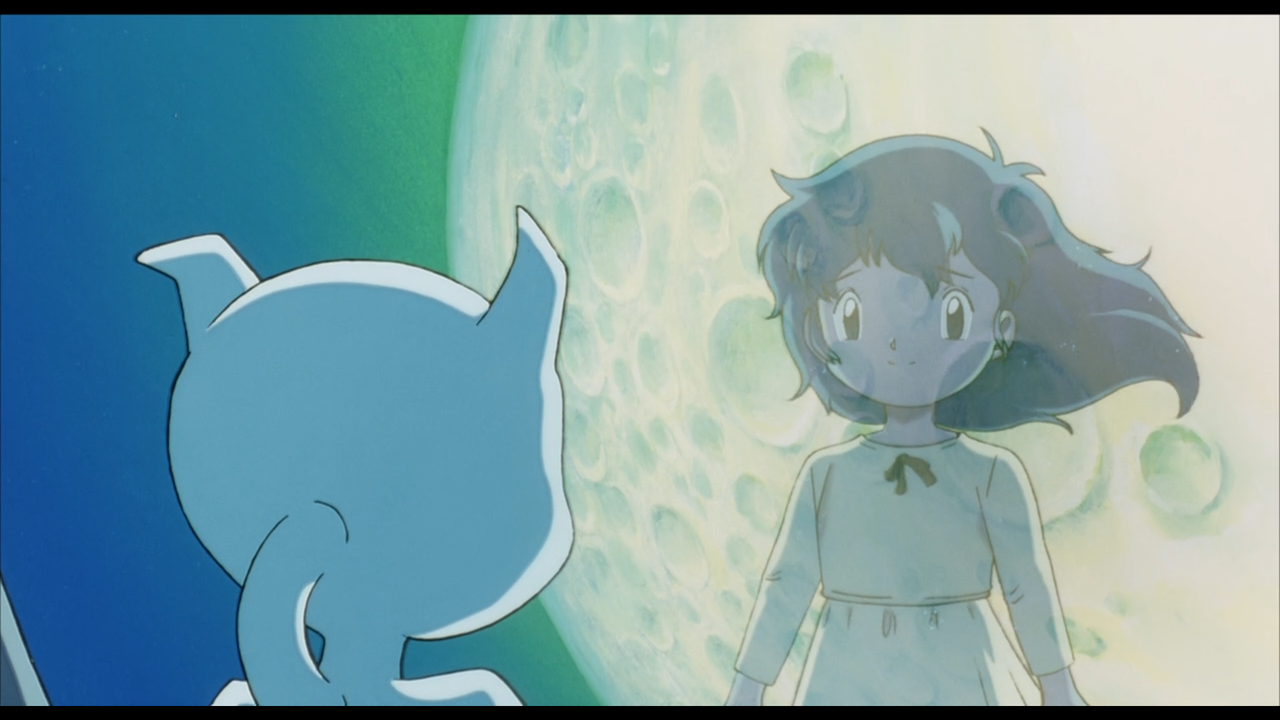
Thus, we are introduced to Mewtwo's mental anguish, a creature so intelligent that he becomes trapped within questions concerning his categorization in the world and, therefore, his self-determination. Upon reflection, this very aspect is one of the problems: Mewtwo is not simply a creature standing between man and Pokémon, but rather a newborn who is perfectly self-aware and possesses the factual knowledge of an adult.
A necessary clarification must be made regarding the parties involved in the introduction: the cloning experiments, including the creation of Mewtwo itself, are primarily the result of Dr. Fuji's plans, whose objective is entirely different from "creating the strongest Pokémon ever" (as the localized version would have you believe). Giovanni is undoubtedly involved in the project and plays an important role: he is the magnate whose support allows the project to reach completion, but Fuji undertakes it of his own accord. It is the scientist whose research becomes interesting enough to attract the attention of the Team Rocket boss, not the other way around.
The doctor's objective is to artificially recreate his daughter, who tragically died at a young age, starting from a strand of DNA. This is why he is interested in Mew's alleged supernatural powers (among which immortality is said to be included), and within this framework the creation of Mewtwo (indeed the strongest Pokémon in the world) is not the final destination but an intermediate step. Shudo is not entirely explicit regarding this passage, but he clearly implies that it is a fundamental step toward recreating his daughter, because understanding the vital principles behind such a creature would guide the research toward creating something far simpler: a human being. _________
**The Failure of Creation** Mewtwo continues his gestation in complete solitude for some time afterward, entirely forgetting what happened during the introduction, yet his existential questions remain exactly where we left them: *__Who am I? Where am I?__* The creature also experiences actual visions of Mew wandering across seas and mountains, despite never having visited them himself (memories inherited from his biological progenitor).
His very emergence from the placenta is once again caused by those three existential questions: Who am I? Where am I? Who brought me here? Quite literally, his coming into the world is the result of the very existential doubts that torment him. Takeshi Shudo's creature is frightened and overwhelmed by its lack of self-determination.
Once awakened, he learns from Fuji that he was created from Mew's genetic code. He then witnesses the doctor's delusions of grandeur and those of his staff, who congratulate themselves on their success and become convinced that they are now gods descended upon the Earth. Yet none of this can help Mewtwo understand who he is. Mew is neither his father nor his mother; he was not created by God (in the strict sense), but by delusional madmen who see themselves as His substitutes (and who remain mere humans nonetheless). He therefore destroys the laboratory, because the principal architect of his creation has been unable to provide satisfactory answers regarding his categorization.
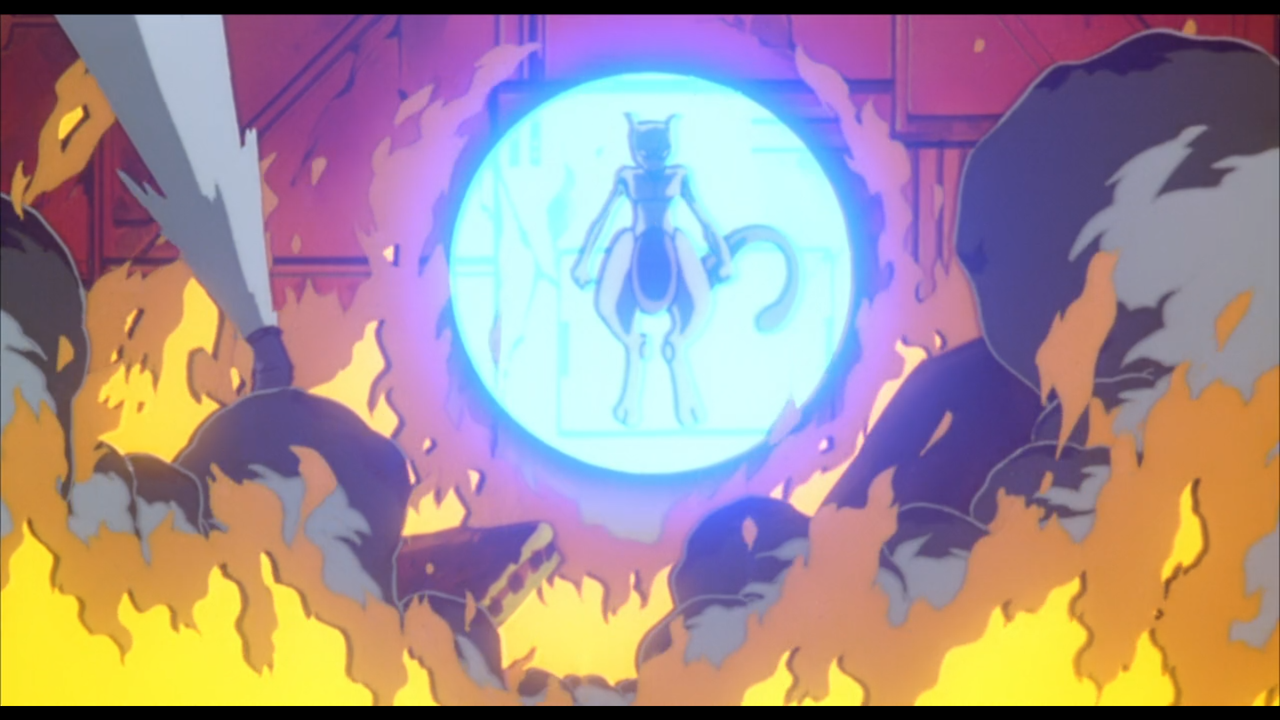
Then follow the sequences involving Giovanni, who arrives at the site of the explosion. The man, being the proud criminal that he is, immediately presents Mewtwo with a hierarchical structure in which humans – and therefore himself – stand above him. The viewer is implicitly made to understand this when Giovanni presses him by saying that there exists someone even stronger than he is in this world [humans, of course]. Giovanni, who is far from stupid, knows perfectly well that Mewtwo could turn him into pulp at any moment, but he also knows that the creature is vulnerable and, as such, manipulable. Precisely because, having only recently been born, he is confused and in a state of psychological subjugation.
Giovanni therefore reveals himself for the vile creature he truly is, placing his feet on Mewtwo's head from the very first moment and attempting to convince him that his submission to humans is, in fact, his true nature. Initially, Mewtwo seems willing to accept this, even though the Team Rocket boss presents him with a horrifying reality: *"__What you have to do is simple: get rid of anyone who stands before you. Beat them, destroy them, plunder them; the strongest wins.__"* And the reality that the criminal proposes to him is not a temporary one: it would literally be the rest of his life. At least at first, the clone appears willing to accept not only being Giovanni's slave (since Pokémon serve humans), but also that the meaning of his existence is, evidently, to unleash violence. Before long, however, the clone realizes that this new life also fails to answer his questions. Everything always comes back to those same questions from the beginning of the film.
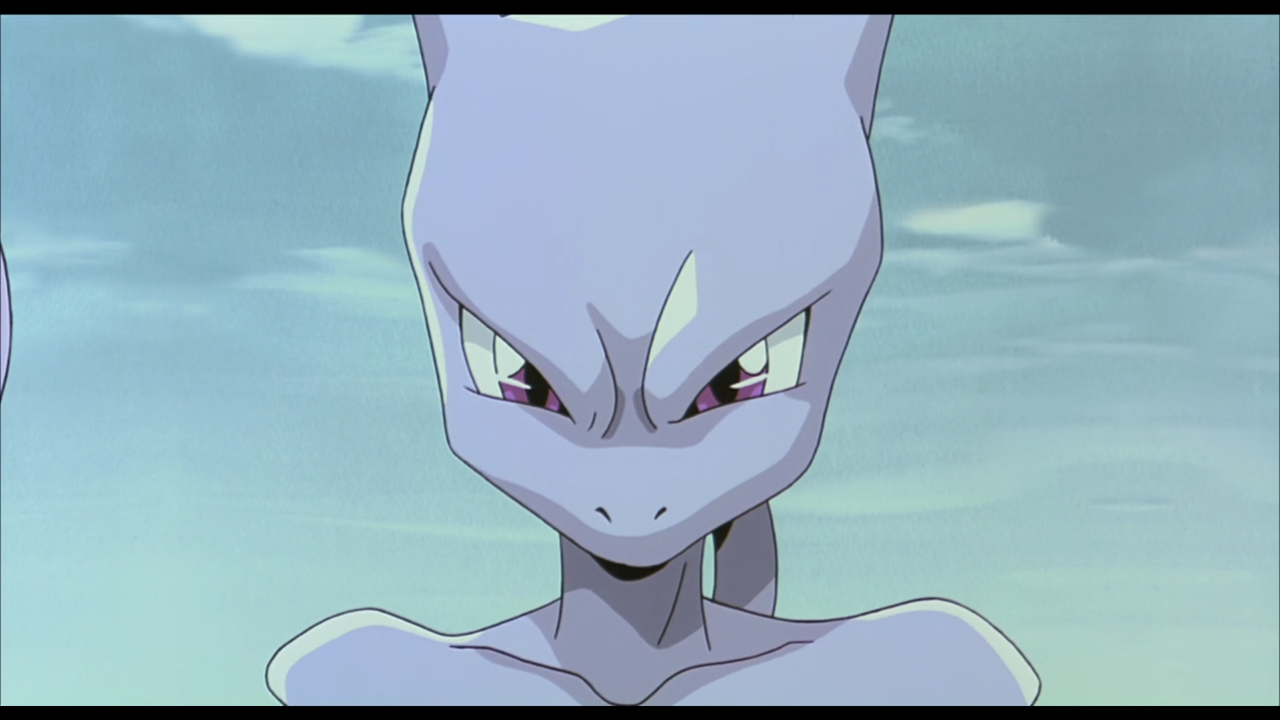
This moment marks, in some respects, a breaking point for the creature. Mewtwo already knew he was not a human being (he understood this in the laboratory when he saw that he did not share the same physiology as his creators). Now he also knows that he is not a Pokémon, because he can speak, experiences emotions, and possesses immense power: characteristics he has not observed in the Pokémon Giovanni has forced him to fight against. Once again disappointed and enraged, he flees. What he cannot tolerate is not having a label, a categorization within the world; he cannot tolerate the fact that neither his scientific creators nor his creator Giovanni have given him an answer. And it is at this moment that the being finally makes his proclamation: >**"Who wished for me to come into this world? I despise everything that brought me into existence. Do not take this as a declaration of war or the proclamation of a battle, but I curse all those who are responsible for my birth."**
Mewtwo's psychology is finally laid bare: he was brought into the world, and that itself is an injustice, because he was brought into the world without any explanation. He wishes to take revenge against the entire Earth, responsible for his birth, because he never asked to be born. And the clarification he makes in his proclamation is fundamental: his is neither a declaration of war nor of battle, but rather a justified retaliation against those who have harmed him. At this point, Mewtwo is no longer willing to silently endure the agony his creators inflicted upon him by bringing him into existence. **For this reason, he will launch a counterattack** (hence the film's title).
Everything that follows is a direct consequence of what has just been made explicit. The storm, the tournament through which he lures the greatest Pokémon Trainers, the confrontation with the creatures: they are all means of desperately attempting to define himself, albeit in a mistaken and childish manner. The fact that he presents himself both as a Pokémon and as the greatest Trainer on the face of the Earth perfectly illustrates his identity confusion, wavering between the two species. During the confrontation, however, another aspect of his psychology emerges. After disposing of all his opponents with ease, he effectively receives confirmation that he is the most powerful being in the world and, at the same time, that he is not human. He observes that if humans possessed his devastating powers, they would certainly use them to dominate others. He possesses such powers and yet has absolutely no interest in using them to control others or place himself above them. Precisely because he realizes that he does not think like a human – or like Giovanni, whose influence still lingers – he gains confirmation that he is not human.
Briefly, I would like to dwell on the video message discovered by Jessie and James inside the reconstructed laboratory, because it tells us more about the late Dr. Fuji. If one pays attention, the scientist mentions neither Giovanni, his financier, nor the true objective that led him to undertake the project in the first place, namely bringing his daughter Ai back to life. He speaks exclusively about the Pokémon he created and how he succeeded in creating a rare and powerful beast. In the final moments of his life, the doctor appears more interested in documenting the creation of Mewtwo than in mentioning why he began the project in the first place. The video message is the rambling confession of a man who has lost his sanity and gradually forgotten what his primary mission was, blinded by his desire to become God. All of this connects to the last words he utters before dying: *__"Our dreams..."__* This is the moment of bitter truth, of disillusionment. In that instant, Icarus realizes that he has lost the right path and flown too close to the Sun. And thus he dies, in sadness and regret. ________
**The Value of Life** Thus, we arrive at the final section of the film. After the cloned starters have utterly defeated the originals, Mewtwo, like a spoiled child, confirms his own assumption: the clones are indeed stronger than the originals, and therefore he desires more of them. After all, he is the strongest being in the world; as such, he has the right to it. Pay attention: he does not identify himself as first among the clones, but rather as the strongest entity on the planet. Even in the original script, mind you, Mewtwo is anything but a saint: he is an unhinged madman who believes that the rotten world that gave birth to him can be freely used as a playground, driven insane by his search for self-determination, for a label that neither Fuji nor his master Giovanni have bestowed upon him thus far.
Several times throughout the film, he repeats:*__ "I make my own rules."__* Here, too, a clarification is necessary: the clone is not interested in making rules for the entire world, arrogating to himself the right to decide who should live and who should die, because he simply does not care about that. Rather, he wants to make rules for himself. For once, he wishes to establish them for his own sake, since neither his creators nor Giovanni ever did so.
Subsequently, to the astonishment of everyone present, Mew arrives, having awakened earlier and been drawn by the unfolding events. In the original script, Mewtwo declares that he wishes to fight and kill Mew not to prove that clones, in general, are superior to originals, __*but rather to prove that he himself is the original.* __Put even more clearly: Shudo's Mewtwo believes that power relationships can prove something, but not the superiority of a race (clone versus original). __*Rather, they can prove legitimacy in possessing an existential label*__ – the very thing the creature has been searching for since the beginning of the film – __*and in this specific case, that label is "real/original."*__
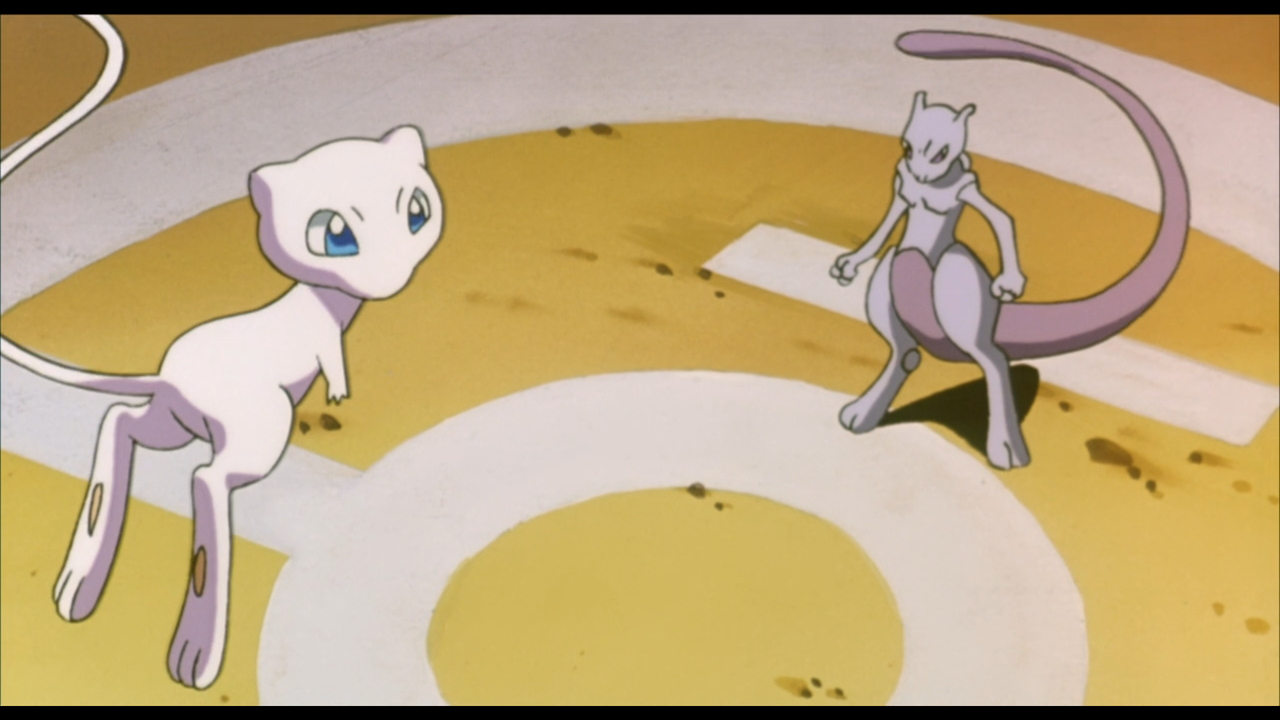
Thus, yet another aspect of Mewtwo's psychology is revealed to the viewer: he believes that by defeating Mew, he will prove both to himself and to the world that he is not a clone but a true Pokémon – the original one – because he is the strongest. The original Mewtwo hates being a clone because it is precisely his nature as a clone that has left him suspended between humanity and Pokémon. Here, Shudo allows the envy he feels toward the other beings around him to become apparent. He was born a clone in a biological no-man's-land, whereas the originals are fortunate enough never to have to ask themselves his existential questions. Their place within the world's hierarchy is not a struggle; it is automatic. For the originals, living is a pleasure, whereas for him it is agony.
Now, however, standing before Mew, he realizes that he can finally steal from him the status of original, because original must also mean better, and better can only mean the one who wins the battle.
In turn, Mew does not place himself upon any moral pedestal; he is not wiser than Mewtwo. At that moment, Mew is angry. He feels challenged and mocked by his own derivative and responds in what, to him, is the most sensible way possible: the real Pokémon are the true ones. No matter what happens, the originals will never lose to copies. Mew therefore does nothing but confirm Mewtwo's worldview, further fueling his sense of inferiority.
It is precisely at this moment that Shudo introduces the theme of ideological warfare into his original script (let us remember: in what is supposedly a children's film). There is no good faction and evil faction, because even those whom the viewer perceives as good – the originals – cling in this moment to nothing more than their label and their sense of racial superiority.
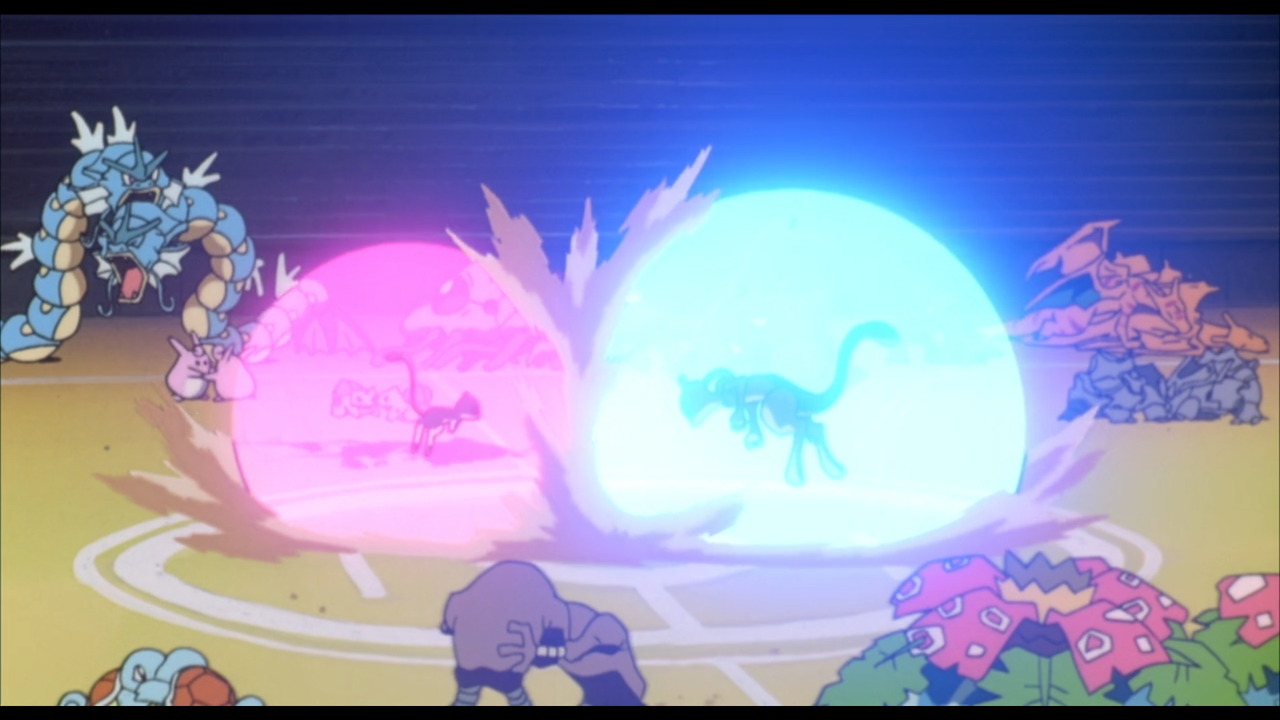
The violent clash between the two factions therefore begins. Originals and copies fight to the bitter end to determine which side is superior (and therefore the true one). The sequence is dramatic and, I would like to emphasize, unfolds without any insert song playing in the background. Nothing diminishes its dramatic weight or the profound sense of discomfort that the viewer begins to experience from a conflict that is, obviously, devoid of meaning. And yet, paradoxically, *violence reveals an absolute truth*. Both in violence and, later, in suffering, the two factions reveal themselves for what they truly are: a single faction – __*the faction of living beings.*__ Shudo introduces the film's final reflection, and its most important one. As the Trainers present observe and reflect upon what is happening, they come to understand that everyone is a living being, both copies and originals. *__"That's right. They're all living beings."__*
The originals and the clones are fighting over who can rightfully call themselves a real Pokémon, but from the Trainers' perspective that violence renders the entire debate meaningless. __*They are all real*. *They are all living beings capable of causing suffering to one another.*__ And indeed, the Pokémon exhaust themselves. All of them are wounded, all of them inflict pain upon their counterpart, all of them wear themselves down. __*Both factions are original because there is only one standard capable of granting that label: being alive, not whether one was born naturally or created in a laboratory.*__
It is an idea that, unfortunately, never crossed Mewtwo's mind, as he remained obsessed with finding a precise form of self-determination. Now, however, things become clearer. *The truth is that the label he was searching for probably does not exist. We are all living beings. That is the status that equalizes us and places us all in the same category.*
And why, especially at that moment, are they all living beings? Because, as the kidnapped Nurse Joy observes, *__it is in the nature of living beings to continue fighting until one side abandons the battlefield__*. This is certainly true of Mewtwo – a living being – because at that very moment he is fighting tooth and nail for his place in the world before everyone present. This is also why the battle is wrong and must be stopped: because neither side will cease fighting until the other is dead.
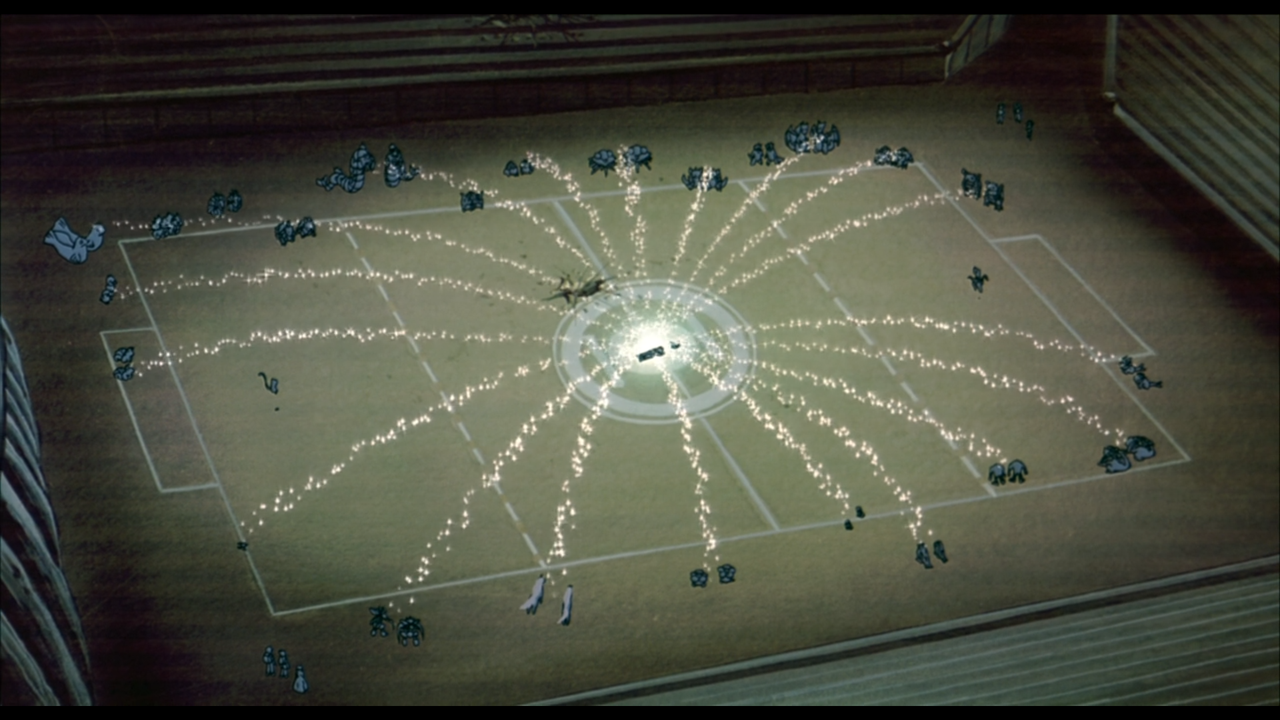
Ash therefore throws himself onto the battlefield, determined to stop the conflict, but is struck by the energy waves unleashed by Mew and Mewtwo, turning into stone. Faced with this almost merciful act on the protagonist's part, everyone present unites in grief. All of them mourn the fate of the Trainer who sacrificed himself to end their battle. Tears become a miraculous force of unity among living beings, whether clones or originals. And this unity, previously expressed only through the violence of battle, now gives rise to something diametrically opposed: not a power that harms, but one that heals, awakening Ash from his rocky stasis.
This collective action, born from the despair of the Pokémon present, finally shatters Mewtwo's distorted worldview, making him realize that he, exactly like Mew, is a living being. At that moment, the creature can do nothing but surrender to the evidence before him: everyone present has been capable of expressing emotions regardless of whether they were clone or original, contributing together to the miracle of Ash's revival.
Thinking back to Ai's words at the beginning of the film – poor thing, she was only a little girl – she was wrong. __*It is not only humans who cry when they are sad. All living beings do.*__ And that outpouring of emotion proves it. In the localized version, after mercilessly dismantling the film's original script, 4Kids suddenly comes to its senses and, in an act that is nothing short of miraculous (speaking of miracles), produces the most famous quote attributed to the Pokémon in the West – but I would expand upon it, because it is perhaps one of the most beautiful, and truthful, statements I have ever heard: >**"I see now that the circumstances of one's birth are irrelevant; it is what you do with the gift of life that determines who you are."**
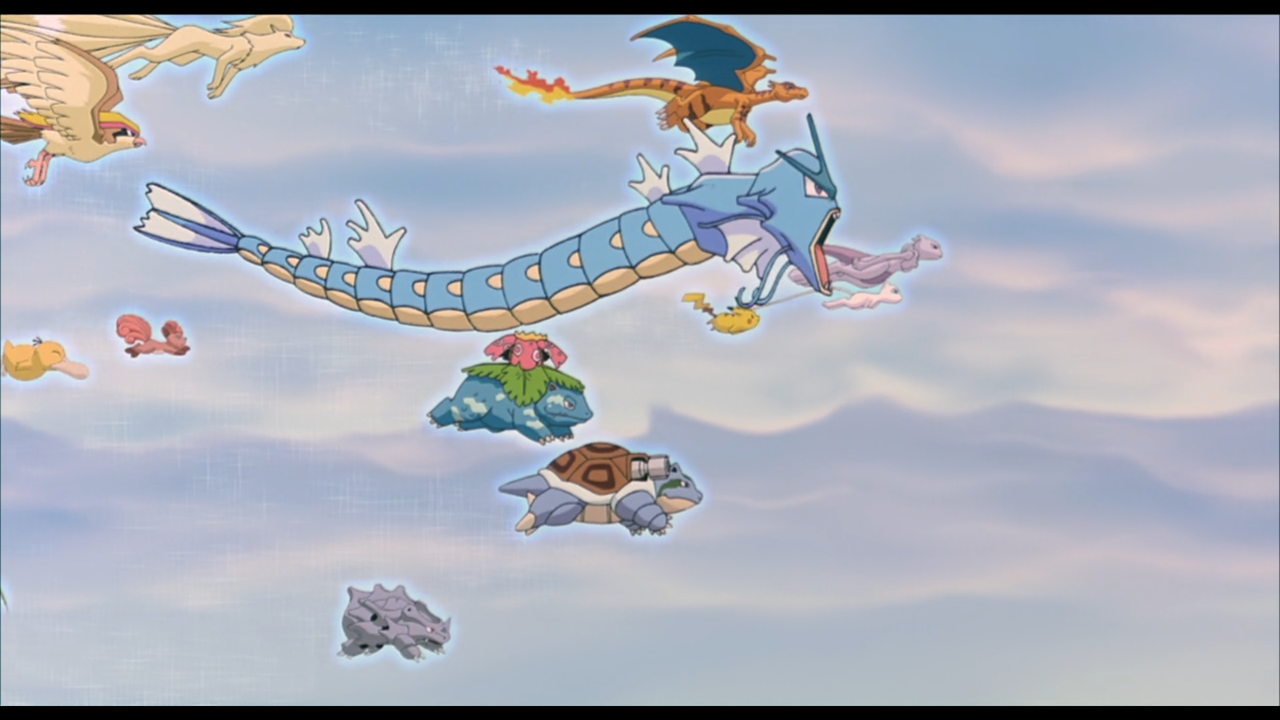
The line, while entirely invented by 4Kids and therefore absent from the original version, is remarkably consistent with what unfolds in the Japanese film and almost sounds like a swan song emerging from Shudo's true script. As the creature prepares to erase everyone's memories, perhaps out of mercy but also out of shame, Ash asks the Pokémon – now soaring through the sky alongside Mew and all the other living beings – where they are going and he replies: >**"We were born. We are alive. We will continue to live. In this world. Somewhere."**
Even in this final exchange, we find yet another parallel to the words Ai once spoke within the creature's mind: >**"Live. Keep living. Be happy. You'll see, it'll be fun."**
**Conclusions** To sum things up, Mewtwo's psychology in the original version progresses through several stages: first, he exists on the boundary between human and Pokémon; then he comes to understand that he is not human; afterward, he mistakenly convinces himself that being real is the only thing that matters in the world; and finally, he comes to understand that he is a living being.
In conclusion, Takeshi Shudo's script is about self-determination and the pain Mewtwo experiences as a result of being unable to find an exact place for himself in the world, because his spiritual fathers, Fuji and Giovanni, were too busy trying to become gods. Mewtwo is therefore also *the personification of non-belonging*, which is one of humanity's greatest fears. Ultimately, it is a story about the importance of belonging, but also about its irrelevance.__ *It is right to question the direction of one's existence, but it is wrong to believe that such questions define who we are.* __According to the author, it is existence itself that defines us and, as he wrote in his blog posts, this conviction is nothing more than his personal opinion, one that he simply wishes to place alongside those of the viewers. It is extraordinary to think that all of this was "disguised" and integrated into an animated film made for children and, precisely for that reason, I attribute even greater value to it than I normally would (had its target audience been any other).
*__In the failure of self-determination lies conflict__* (what happens throughout the film). __*In the awareness of the self, instead, lies true peace.*__
COMMENTS
0 Comments
SIMILAR ANIMES YOU MAY LIKE
 MOVIE2017, ActionPokémon the Movie: I Choose You!
 MOVIE1995, ActionGhost in the Shell
 MOVIE1999, ActionPokémon the Movie 2000
 SPECIAL2006, ActionPokémon: The Mastermind of Mirage Pokémon

SCORE
- (3.75/5)
TRAILER
MORE INFO
Ended inJuly 18, 1998
Main Studio OLM
Trending Level 1
Favorited by 750 Users